Pearl Resin Explained: Shimmering Mica in Clear Resin
What Is Pearl Resin?
Pearl resin is a type of casting or coating resin that’s tinted with pearlescent pigments to create a soft, luminous “mother-of-pearl” effect. The resin itself is typically an epoxy or polyester system that cures from a liquid into a hard, glossy solid. What makes it “pearl” is the shimmer: ultra-fine mica-based powders (or similar iridescent additives) that reflect light and give the finished piece depth and glow rather than a flat, opaque color.
What Pearl Resin Looks Like
Unlike metallic pigments that can look mirror-bright, pearlescent pigments tend to produce a satin-like sheen that shifts subtly as the viewing angle changes. Depending on the pigment and how it’s mixed, pearl resin can appear milky, opalescent, champagne-gold, pastel-toned, or lightly iridescent with hints of blue, pink, or green.
How Pearl Resin Is Made
Most pearl resin projects start with a clear resin base (two-part epoxy is common). Pearlescent powder is blended in at a controlled ratio, then the resin is poured into molds or applied as a top coat. The final look depends on several factors: pigment concentration, mixing technique, pour thickness, and whether the piece includes additional layers like transparent tints, glitter, or embedded objects.
Common Uses for Pearl Resin
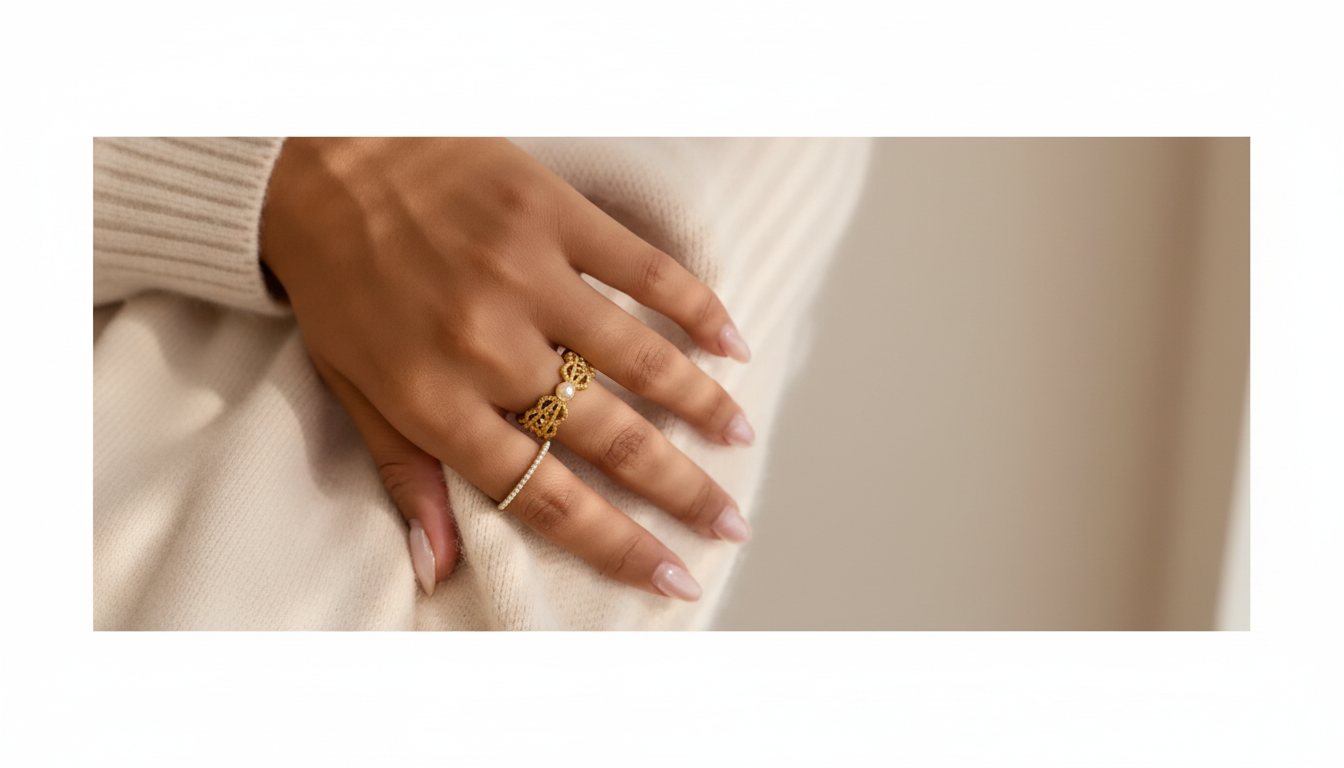
Pearl resin is popular in jewelry (pendants, earrings, rings), decorative accessories (keychains, hair clips), and home items (coasters, trays, small tabletop art). It’s also used for accent details—swirls, marbling, or gradient effects—because the shimmer can highlight movement within a design even after the resin fully cures.
Tips for Working With It
For a cleaner pearly finish, mix slowly to reduce bubbles and scrape the sides and bottom of the mixing cup so pigment disperses evenly. Pearlescent powders can settle if left too long, so pour soon after mixing. Cure times vary by resin type, temperature, and pour depth, so follow the manufacturer’s directions closely.
For a deeper dive into materials, finishes, and practical examples, visit the main article on pearl resin.
FAQ
How do you make resin look pearly?
Add a small amount of pearlescent mica powder (or an iridescent pigment) to clear resin, mix until evenly dispersed, and pour in layers if you want extra depth. The pearly effect becomes more noticeable with slightly thicker pours and controlled lighting angles.










Leave a comment