Silicone Scalp Massager Side Effects: Irritation & Shedding
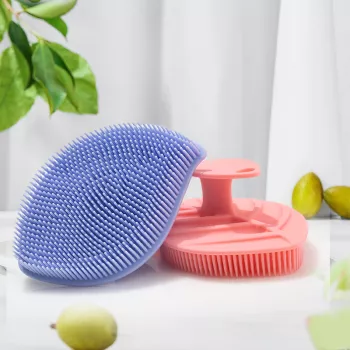
What are the side effects of silicone scalp massagers?
Silicone scalp massagers are generally considered low-risk, but side effects can happen—especially if you scrub too hard, use them on irritated skin, or don’t keep the tool clean. The most common issues are temporary and improve quickly once you adjust how often or how firmly you use the massager.
Scalp irritation and redness
Overuse or heavy pressure can irritate the scalp, causing redness, tenderness, or a “raw” feeling. This is more likely if you already have a sensitive scalp, recently colored your hair, or use strong shampoos (like clarifying or anti-dandruff formulas).
Increased shedding from mechanical stress
Some people notice more hair in the shower after using a scalp massager. In many cases, the massager is simply loosening hairs that were already shed and sitting on the scalp. However, aggressive rubbing can also tug at strands, increasing breakage or pulling out weak hairs—especially on fragile, textured, or chemically treated hair.
Scalp abrasion or micro-scratches
Even soft silicone bristles can cause tiny scratches if you press too hard or move the massager too fast. These abrasions may sting during washing and can make the scalp more prone to irritation, particularly if you apply active products afterward.
Flare-ups of scalp conditions
If you have psoriasis, eczema, seborrheic dermatitis, folliculitis, or open sores, a scalp massager can worsen inflammation or spread irritation across a larger area. Using it over pimples, scabs, or tender patches can also be uncomfortable and delay healing.
Product buildup and hygiene-related issues
A massager that isn’t rinsed and dried properly can collect oils, dead skin, and product residue. Over time, that buildup may contribute to scalp odor, itchiness, or clogged follicles. Cleaning after each use and letting it fully dry helps reduce this risk.
For a deeper breakdown of potential downsides, plus tips on safer use, visit the main article on silicone scalp massager side effects.
FAQ
How often should you use a silicone scalp massager?
Most people do well with 2–4 times per week using light pressure for 1–3 minutes. If you notice soreness, redness, or extra breakage, reduce frequency and avoid scrubbing the same spots repeatedly.












Leave a comment