Silicone Scalp Massager: Benefits, Safe Use & Tips
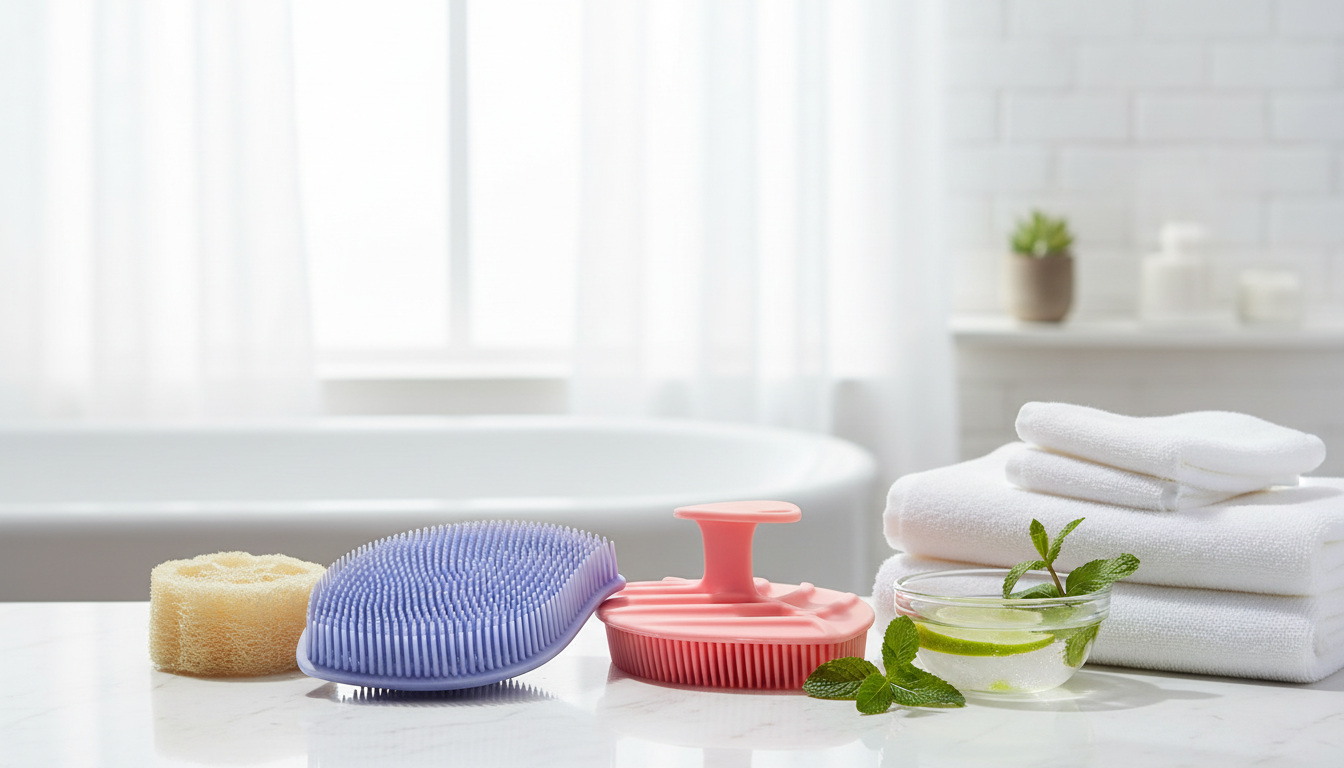
Is it good to use a silicone scalp massager?
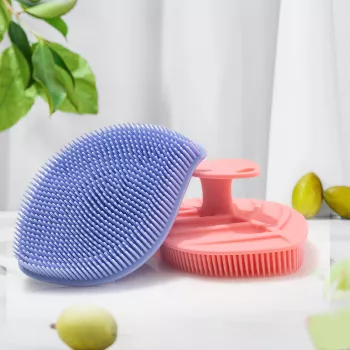
Yes—using a silicone scalp massager can be a good addition to a hair and scalp routine when it’s used gently and consistently. The soft, flexible bristles help loosen buildup from styling products and excess oil, and they can make shampooing feel more thorough without relying on your fingernails. Many people also like the relaxing sensation, especially after a long day or when dealing with mild scalp tightness.
What benefits can a silicone scalp massager provide?
A silicone scalp massager can support a cleaner-feeling scalp by helping lift debris at the roots and distributing shampoo or scalp treatments more evenly. The light stimulation may also help improve the look of scalp vitality over time by encouraging better circulation at the skin’s surface. For some, it’s a simple way to make wash day more efficient—focusing product where it needs to go and helping rinse more completely.
How to use one without irritating your scalp
Use light pressure and small circular motions, especially around the hairline and crown. Silicone is generally gentle, but over-scrubbing can still cause redness or sensitivity. If you have a reactive scalp, start with short sessions (30–60 seconds) and increase gradually as tolerated. For shampooing, use it on wet hair with plenty of slip; for dry massage, keep pressure minimal and avoid snagging.
Who should be cautious?
If you have open sores, a scalp infection, severe flaking with inflammation, or a recent procedure (like a transplant), skip the tool until a clinician says it’s okay. Anyone with very fragile hair or active shedding should also be careful to avoid tangling—use gentle motions and don’t “rake” through lengths. When in doubt, prioritize comfort: a massager should feel soothing, not scratchy or painful.
Learn more
For a deeper look at benefits, technique, and what to watch out for, read the full guide here: Is it good to use a silicone scalp massager?
FAQ
How often should you use a scalp massager?
Most people do well using it 2–4 times per week during shampooing, or briefly daily with very light pressure if it doesn’t cause irritation. If your scalp feels tender or looks red, scale back and give it time to recover.










Leave a comment