Back Scrubber Exfoliation: How It Works & Safe Use
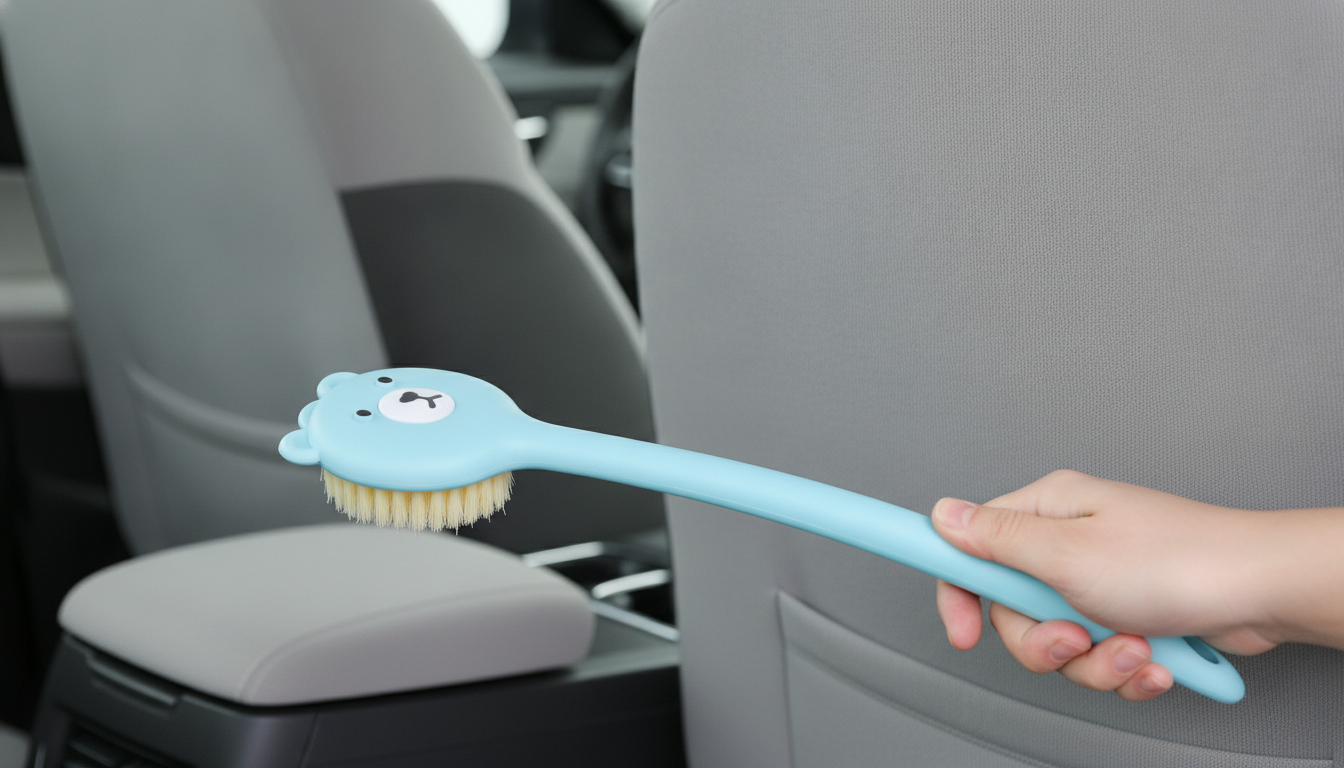
Does a back scrubber exfoliate?
Yes—most back scrubbers exfoliate because they’re designed to create gentle friction that lifts away dead skin cells from the surface. Since the back can be hard to reach, a scrubber helps you apply more even pressure and cover more area than using just your hands.
How exfoliation happens with a back scrubber
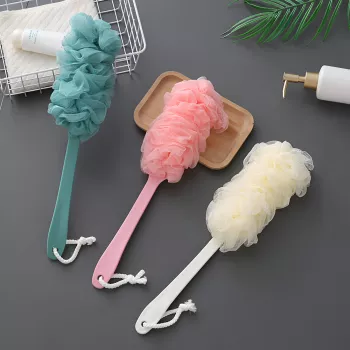
Exfoliation is mainly mechanical with a back scrubber. As you move the tool across damp skin, the texture (such as silicone bristles, woven fabric, loofah material, or natural fibers) loosens buildup like dead skin, sunscreen residue, sweat, and body wash film. Over time, this can help skin feel smoother and look more even.
Do all back scrubbers exfoliate the same way?
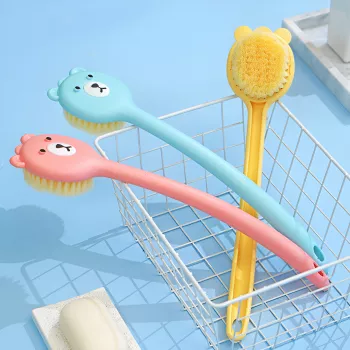
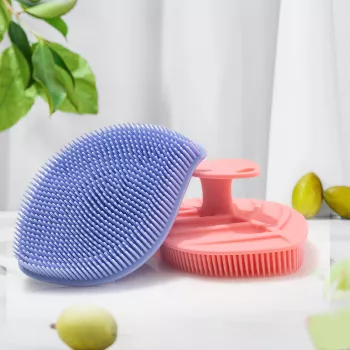
They don’t. The exfoliation level depends on the material and how you use it. Silicone scrubbers tend to be gentler and more consistent, while loofahs and coarse straps can feel more intense. A long-handled brush may also exfoliate more strongly depending on bristle firmness.
How to use a back scrubber without over-exfoliating
Use light to medium pressure, especially if you’re new to exfoliating tools. For most skin types, 2–3 times per week is plenty; daily scrubbing can lead to dryness, irritation, or tiny abrasions. After rinsing, follow with a moisturizer to help support the skin barrier.
When a back scrubber may not be a good idea
If you have active inflammation, open cuts, or a flare of eczema, psoriasis, or painful acne, aggressive scrubbing can make things worse. Choose a softer option (like silicone), reduce frequency, and avoid direct pressure on irritated spots.
For more detail on materials, technique, and what to expect, visit the full guide: https://elegalle.com/does-a-back-scrubber-exfoliate/.
FAQ
Is a back scrubber better than a loofah?
A back scrubber can be better for reach and more even coverage, especially across the middle of the back. Whether it’s “better” than a loofah depends on your preferred exfoliation intensity and how easy the tool is to keep clean.










Leave a comment