Puppy Crying in the Crate? What to Do (Not Cry It Out)
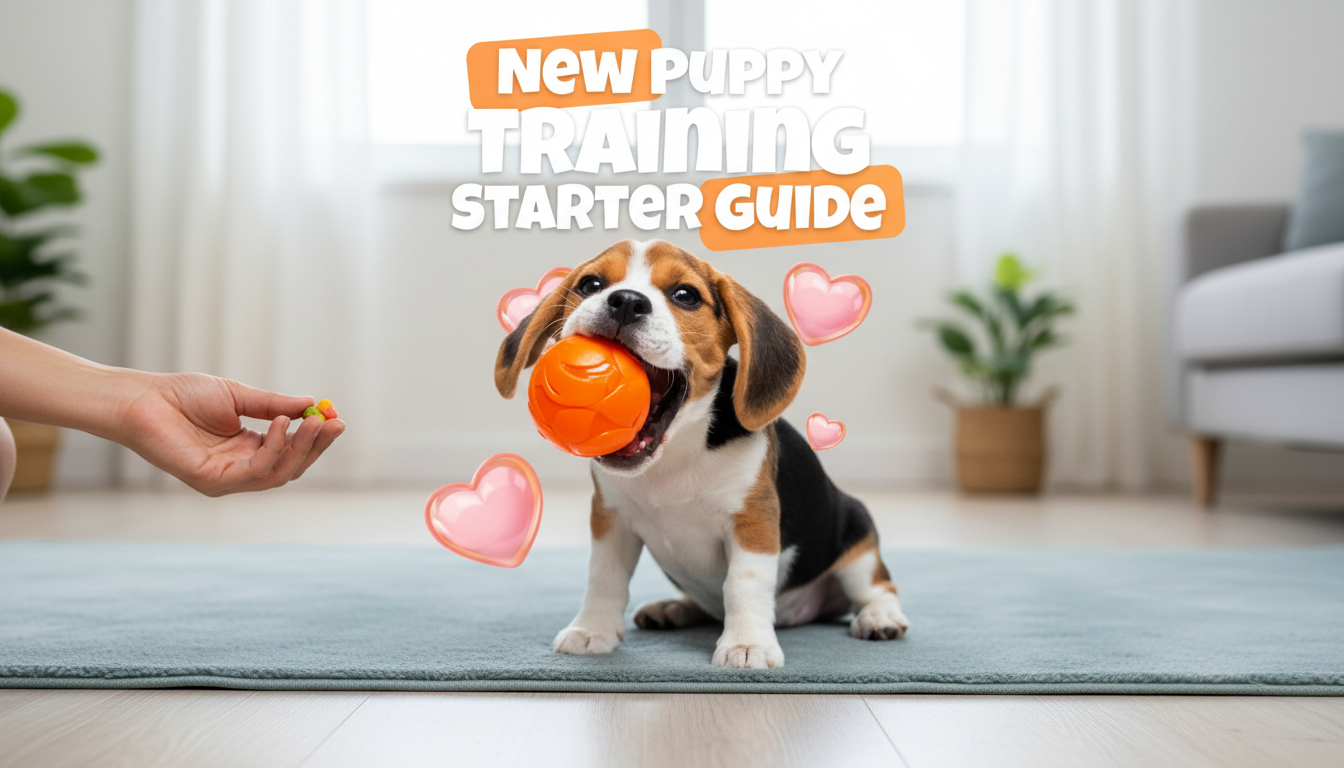
Do I just let my puppy cry while I am crate training her?
No—don’t ignore nonstop crying. Some brief whining is normal as a puppy settles, but sustained crying often means she’s panicked, needs a potty break, or hasn’t learned that the crate is safe yet. The goal is to prevent the crate from becoming a place where she rehearses fear.
What to do instead of “cry it out”
Confirm her basic needs first
If she cries intensely, take her out for a quick, boring potty break (leash on, no play, then right back to the crate). This helps you avoid rewarding the noise with fun while still meeting a real need.
Use gradual crate training during the day
Practice when she’s calm: toss treats in, let her walk in and out, then close the door for a few seconds and reopen before she escalates. Build to minutes, then short naps. A puppy who learns the routine while awake is far less likely to panic at night.
Make the crate feel predictable
Feed meals in the crate, offer a safe chew, and keep the space cozy and quiet. Place the crate near you at first so she can smell and hear you, then slowly increase distance as she improves.
Respond to whining strategically
If she’s already been pottied and she’s only fussing, wait for a brief pause, then calmly reward the quiet with a soft “good” or a treat. Avoid opening the door during active crying, or she learns that crying works.
Know when crying is a red flag
Drooling, frantic scratching, biting bars, or escalating screams can signal distress that needs a slower plan. In those cases, shorten sessions and rebuild positive associations.
For a step-by-step approach and common troubleshooting scenarios, read the full guide here: Do I just let my puppy cry while I am crate training her?
FAQ
How long should I wait before letting my puppy out of the crate?
If you suspect a potty need or true distress, take her out promptly for a short, no-fun potty break. If her needs are met and it’s mild whining, wait for a brief moment of quiet before opening the door so you don’t reward crying.












Leave a comment