Where to Buy Stainless Steel: Local, Online, or Stores
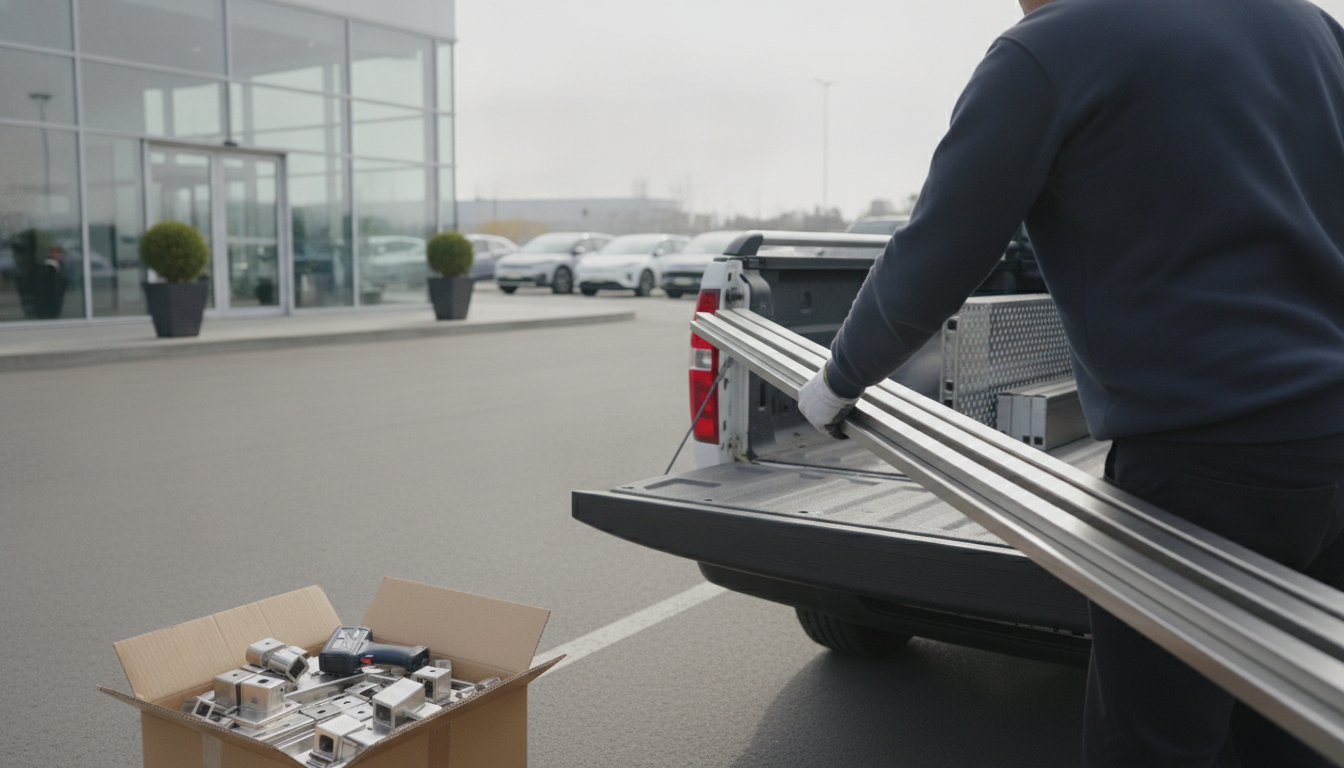
Where can I purchase stainless steel?
Stainless steel is widely available, but the best place to buy it depends on what you need: sheet or plate for fabrication, bar stock for machining, tubing for frames and rails, or specialty finishes for architectural work. Most buyers choose between local metal suppliers, online metal retailers, or big-box stores—each with tradeoffs in price, selection, and how quickly you can get the material.
Local metal suppliers and service centers
For the broadest selection and reliable material identification, start with a local stainless steel supplier or metal service center. These businesses typically carry common grades like 304 and 316 in multiple forms (sheet, plate, angle, channel, round bar, flat bar, and tubing). Many also offer cutting services (shearing, sawing, plasma/waterjet) so you can order exact sizes instead of buying full lengths. This route is often ideal for contractors, fabricators, and anyone who needs consistent specs, mill test reports, or repeat orders.
Online stainless steel retailers
Online sellers can be a strong option when you need smaller quantities, specific dimensions, or delivery to your door. Look for listings that clearly state grade, thickness, finish (like #4 brushed), and tolerance. Shipping costs can be significant, so it helps to compare the total delivered price—especially for long items like tube and bar. Online buying is convenient for DIY projects and one-off builds, but always confirm return policies in case the finish or dimensions don’t match your requirements.
Big-box hardware stores and local fabrication shops
Home improvement stores usually stock limited stainless options—often small sheets, fasteners, and basic tubing. This works well for quick repairs, small brackets, and kitchen or garage projects, but selection and grade transparency may be limited. Another practical option is a local welding or fabrication shop: some will sell drops (leftover pieces) at a lower cost, which is perfect for small parts or prototypes.
For a deeper breakdown of sourcing options, product forms, and what to check before buying, visit https://elegalle.com/where-can-i-purchase-stainless-steel/.
FAQ
What grade of stainless steel should I choose for outdoor use?
For most outdoor environments, 316 stainless resists corrosion better than 304, especially near saltwater or in areas with de-icing salts. 304 can work outdoors in milder conditions but may show staining sooner.













Leave a comment