Retro Ceramic Teacup Buying Guide: What to Check
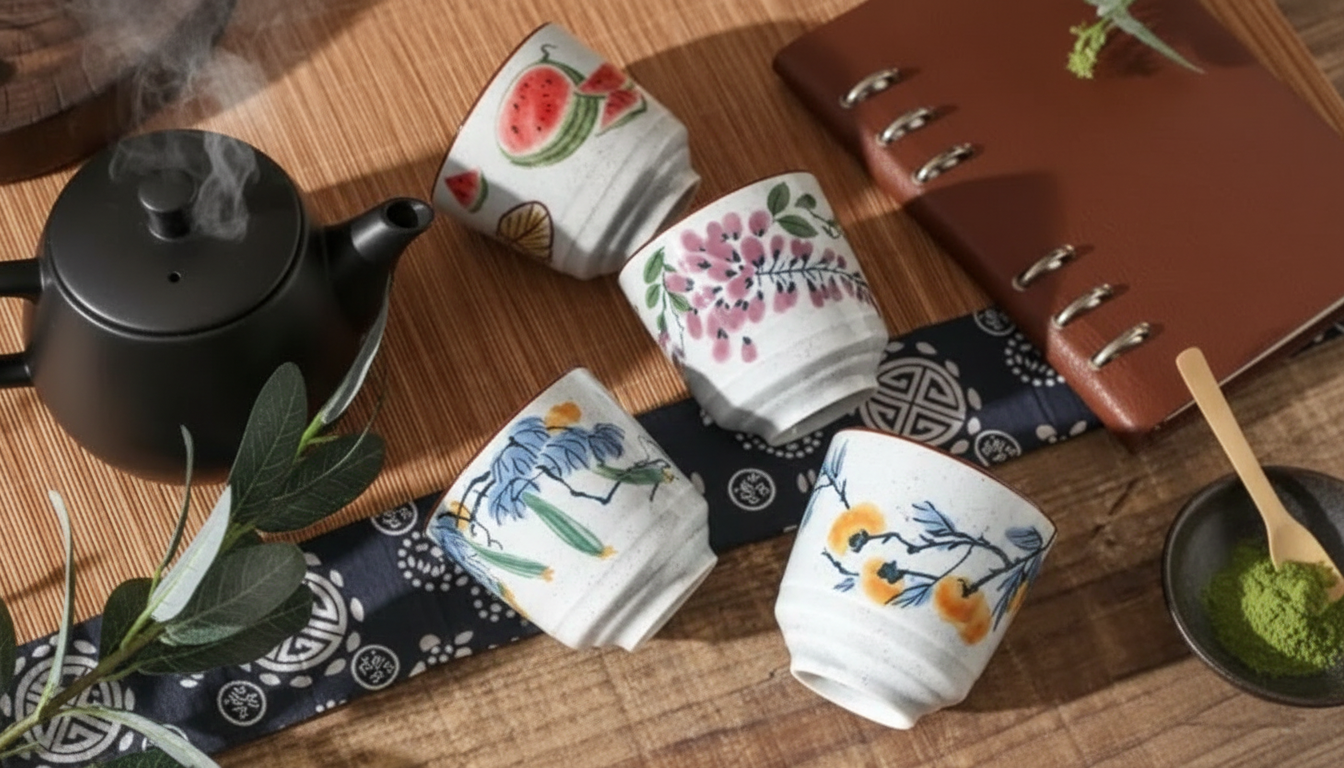
What should I look for when buying a retro ceramic teacup?
Start with the feel of the piece: a good retro ceramic teacup should sit comfortably in your hand, balance well when full, and have a handle that allows one or two fingers without pinching. If it looks charming but feels awkward, it won’t get used.
Check condition and signs of wear
Look closely under bright light. Small scratches are common, but avoid deep chips on the rim, hairline cracks, or repairs (often visible as cloudy glue lines). Run a fingertip gently around the lip and foot ring—rough spots can signal damage. Light staining or crazing (fine glaze lines) can be normal for older pieces, but heavy discoloration may be harder to clean and can detract from long-term appeal.
Confirm it’s food-safe for regular use
If the teacup is meant for drinking, be cautious with very old, unknown, or heavily worn glazes—especially brightly colored, metallic, or hand-painted areas. For everyday sipping, prioritize pieces that are clearly labeled as food-safe, are from reputable makers, or show minimal glaze deterioration. If it’s primarily for display, you can be more flexible.
Assess craftsmanship and authenticity cues
Flip the cup and saucer to check for maker’s marks, stamps, or country-of-origin labels. Clean, consistent glazing and even weight are good signs of quality. Hand-painted details can be a plus, but verify they’re intentional (not sloppy touch-ups). A matching set (cup and saucer) with consistent pattern alignment typically carries more value than mismatched pieces.
Make sure the style fits your collection
Retro spans multiple decades and aesthetics—mid-century modern shapes, floral cottage patterns, and bold geometric motifs all count. Decide what “retro” means for your space, then shop with a clear color palette and silhouette in mind.
For a deeper checklist and practical buying tips, visit the complete retro ceramic teacup guide.
FAQ
How do I clean and remove stains from vintage ceramic teacups?
Soak in warm water with mild dish soap first, then use a paste of baking soda and water for tea stains. Avoid abrasive scrubbers on gold trim or painted details, and skip bleach on delicate or crazed glazes.













Leave a comment