Foldable Bike Tire PSI: Best Pressure for Comfort & Speed
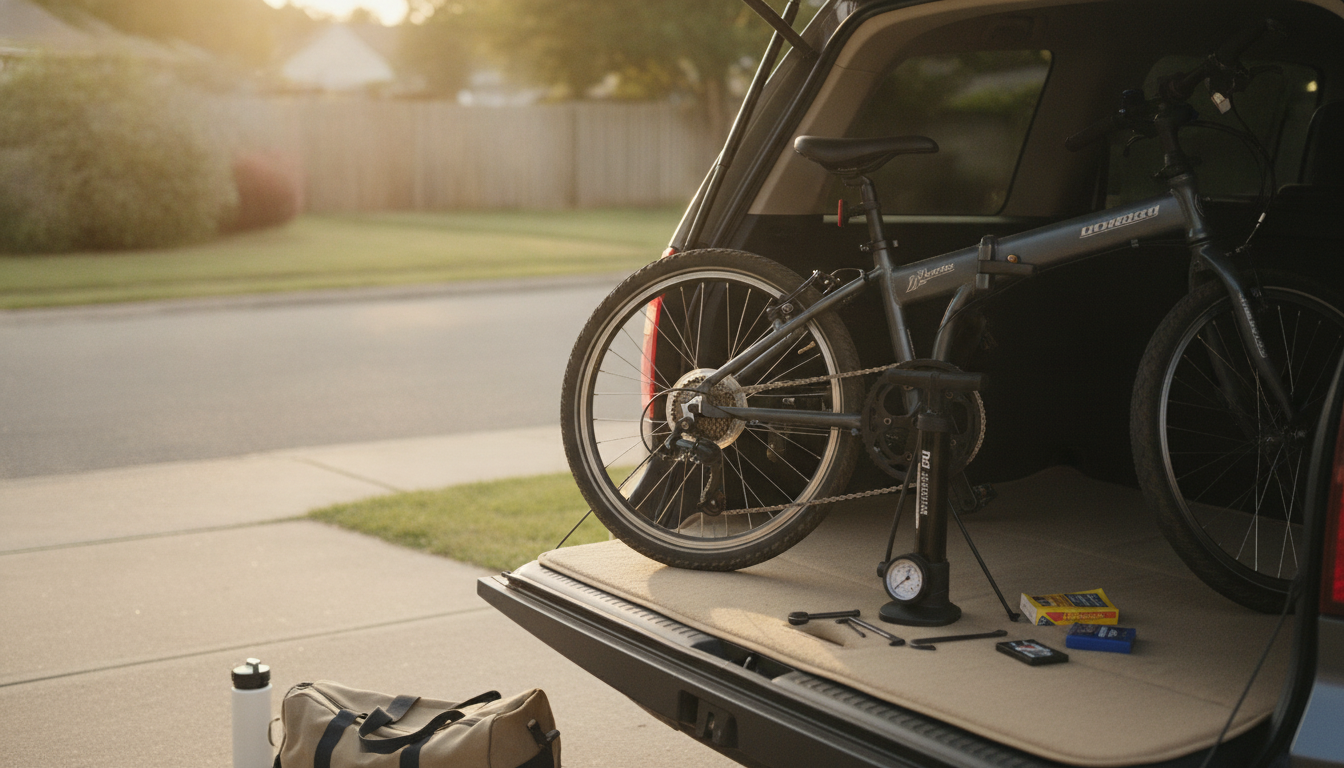
What PSI should a foldable bike be?
Most foldable bikes ride best when tire pressure is set within the tire’s printed PSI range, with many common setups landing around 40–70 PSI. The “right” number depends on tire width, rider weight, load, terrain, and whether the bike uses narrower high-pressure tires or wider comfort-focused tires. Always start with the sidewall range first, then fine-tune from there.
How to pick the best PSI for your foldable bike
1) Check the tire sidewall
Look for “MIN” and “MAX” PSI on the tire. Staying inside that range helps prevent pinch flats (too low) and harsh ride or reduced grip (too high). If you can only choose one rule, use this one.
2) Match PSI to tire width and ride feel
Narrower tires (often found on some folding commuters) generally need higher PSI to roll efficiently. Wider tires can run lower PSI for comfort and traction without feeling sluggish. If your ride feels bouncy and skittish, drop a few PSI; if it feels squirmy in corners or you’re bottoming out on bumps, add a few PSI.
3) Account for rider weight and cargo
Heavier riders or anyone carrying a backpack, groceries, or panniers typically benefits from higher PSI—especially in the rear tire. A simple approach is to add 2–5 PSI when carrying extra load, then reassess handling and comfort.
4) Adjust for conditions
Smooth pavement supports slightly higher PSI for speed. Rough streets, brick paths, or light gravel usually feel better with slightly lower PSI to improve contact and control.
Quick safety and maintenance tips
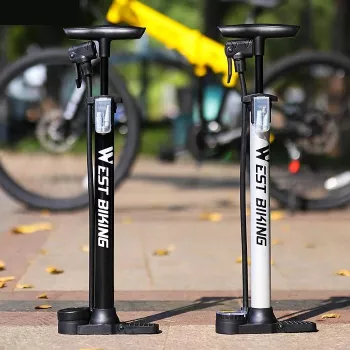
Use a reliable pump with a gauge, and check pressure weekly if you ride often—small tires can lose air faster. Recheck PSI after big temperature swings, since cold air lowers pressure and heat raises it. For more detailed guidance and examples, visit https://elegalle.com/what-psi-should-a-foldable-bike-be/.
FAQ
How often should I check tire pressure on a foldable bike?
Check at least once a week for regular riding, or before longer trips. Small-volume tires can lose noticeable pressure quickly, which affects comfort, speed, and flat protection.












Leave a comment