Stainless Steel Solvents: Safe Cleaners vs Corrosives
What is the solvent of stainless steel?
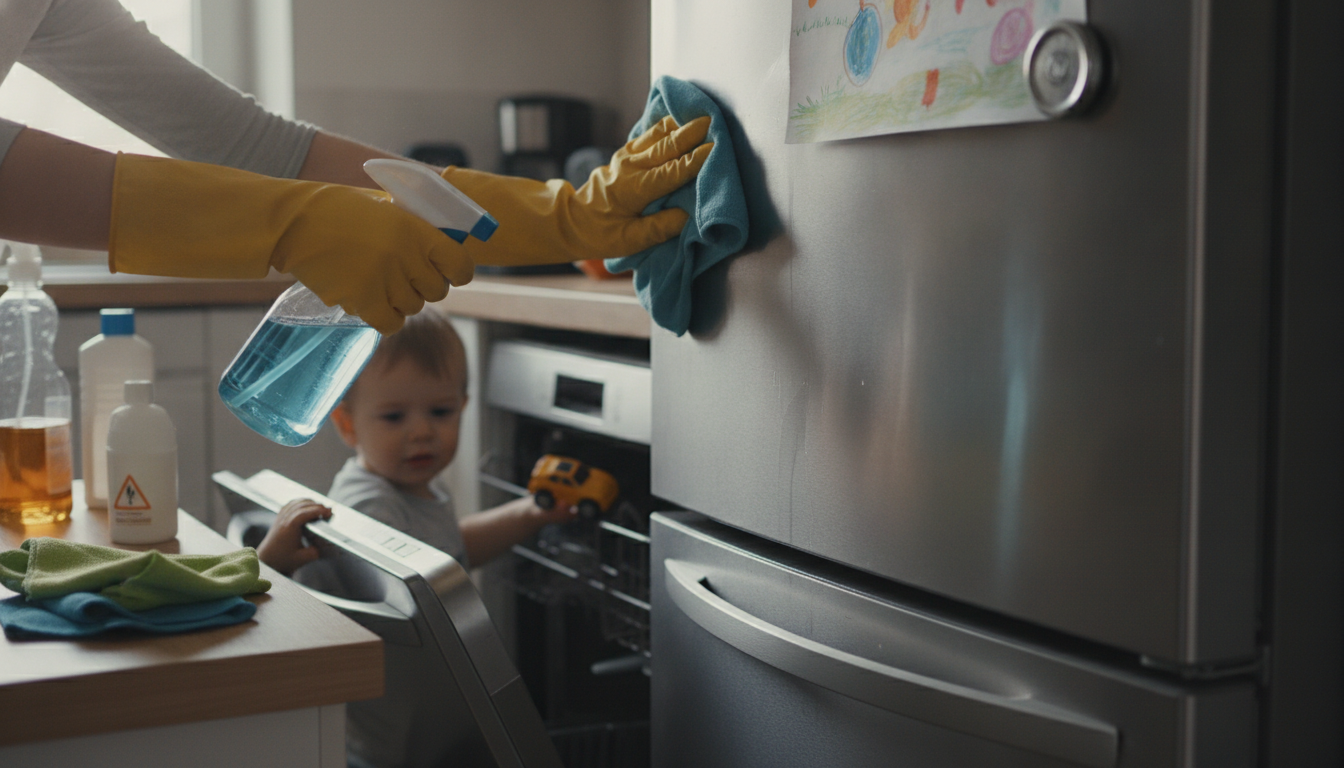
Stainless steel doesn’t have a single “solvent” the way salt dissolves in water. It’s an alloy (mostly iron plus chromium and other elements), and under normal conditions it won’t dissolve in common liquids. Instead, stainless steel is usually cleaned, degreased, or chemically etched using different solvents depending on what needs to be removed—oil, adhesive, paint, oxidation, or scale.
Which solvents are commonly used on stainless steel?
For everyday cleaning and degreasing, the most common solvents used on stainless steel are isopropyl alcohol (IPA), acetone, and mineral spirits. These don’t dissolve the metal; they dissolve contaminants like grease, fingerprints, and some residues. For tougher jobs, specialty adhesive removers or industrial degreasers may be used, but they should be chosen to avoid leaving films or attacking nearby plastics, gaskets, or finishes.
What actually dissolves stainless steel?
To chemically attack or dissolve stainless steel, strong acids are required—typically mixtures used in industrial pickling, etching, or laboratory processes. Certain concentrated acids can corrode stainless steel, especially if the protective chromium-oxide layer is compromised. Chloride-rich environments (like bleach solutions) can also cause pitting corrosion even if the steel doesn’t “dissolve” in a clean, uniform way.
What should be avoided when using solvents on stainless steel?
Avoid chlorine bleach and cleaners containing chlorides whenever possible, especially on high-polish surfaces or in warm conditions, because they can trigger pitting and staining. Also avoid abrasive pads that can embed carbon steel particles and cause rust spots later. When using solvents like acetone, provide ventilation and test a small area first if the stainless has a coated or fingerprint-resistant finish.
For a deeper breakdown of safe options and when stronger chemicals are used, visit https://elegalle.com/what-is-the-solvent-of-stainless-steel/.
FAQ
What cleaner is safe for stainless steel?
Mild dish soap and warm water are safe for most stainless steel, followed by a clean rinse and drying to prevent water spots. Isopropyl alcohol also works well for fingerprints and light grease without harming the metal.













Leave a comment