Best Winter Swaddle for Newborns: Warm, Not Overheated
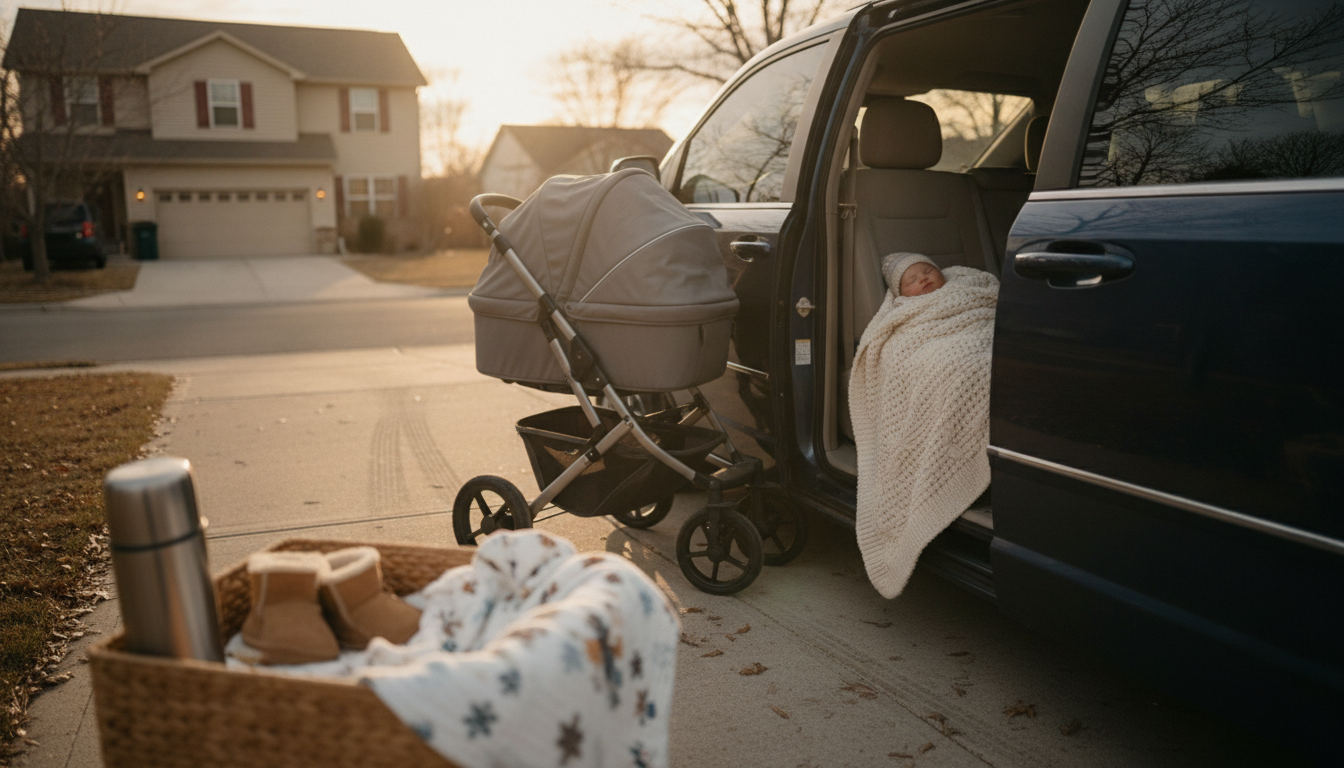
What is the best swaddle for a newborn in the winter?
The best winter swaddle for a newborn is a breathable, easy-to-adjust swaddle that helps maintain warmth without overheating—typically a higher-GSM cotton, cotton-fleece blend, or merino wool option designed for indoor sleep. Since most babies sleep in heated rooms, “winter” swaddling is less about piling on thick layers and more about choosing a fabric that insulates gently while still allowing airflow.
What to look for in a winter swaddle
Breathable warmth: Look for natural fibers (like cotton or merino) that trap heat while managing moisture. Avoid overly plush materials that can run hot, especially if your home is well heated.
Secure fit and simple closures: A swaddle with wings, Velcro, or a zip design helps keep the wrap snug around the torso while allowing some room at the hips. A consistent fit can reduce loose fabric and nighttime re-wrapping.
Appropriate weight (not just “thick”): A mid-to-warm weight swaddle often works better than a bulky one. Pair it with a long-sleeve footed pajama or a simple onesie depending on room temperature.
Fabric and style recommendations
Warm cotton swaddle: Great for everyday use and easy washing. A thicker cotton knit or higher-GSM muslin can feel cozy without trapping too much heat.
Merino wool swaddle or sleep sack: Excellent for temperature regulation and cold climates, especially if indoor temperatures fluctuate at night.
Swaddle-to-sleep-sack transition options: If your baby is nearing the rolling stage, consider designs that allow arms-out while keeping the body warm.
Layering tips for winter nights
Start with one base layer (like a cotton onesie), then add the swaddle. If your baby’s chest feels comfortably warm (not sweaty) and the back of the neck is dry, the layering is usually right. For a deeper breakdown of materials, weights, and practical winter setups, see the full guide here: What is the best swaddle for a newborn in the winter?
FAQ
What should a newborn wear under a swaddle in cold weather?
In most homes, a long-sleeve footed pajama or a cotton onesie under the swaddle is enough. Adjust based on room temperature and check your baby’s chest/neck for signs of overheating or chills.










Leave a comment