Pasta Plate vs Pasta Bowl: Key Differences Explained
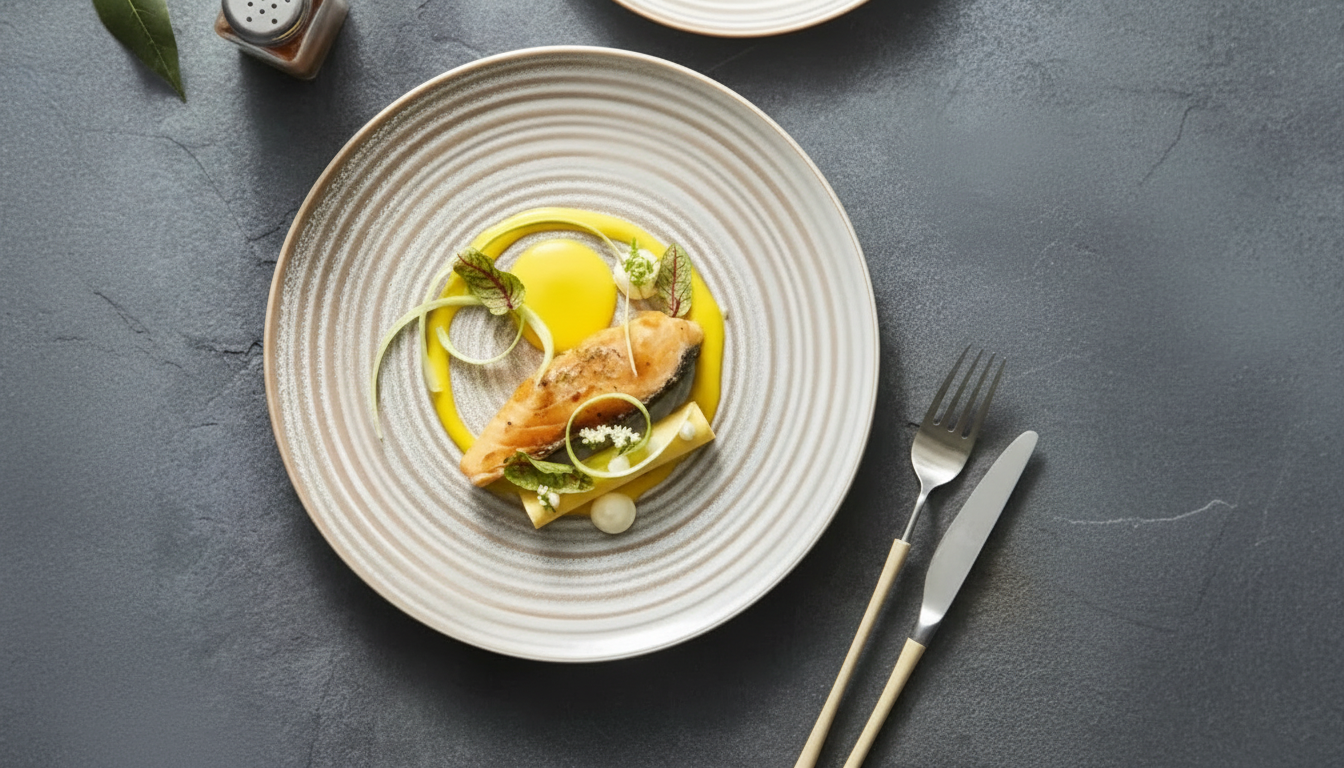
What is a pasta plate and how is it different from a pasta bowl?
A pasta plate is a wide, shallow dish designed to hold pasta while keeping sauces and toppings comfortably contained. It usually has a broad eating surface with a subtle rim or a gently raised edge, making it easy to twirl long noodles and scoop up sauce without it sliding off the sides.
A pasta bowl, on the other hand, is deeper and more curved, closer to a traditional bowl shape. It’s built to cradle saucier, brothy, or heavily topped pasta dishes and to reduce splatter when mixing. The extra depth also helps keep heat in a little longer, which can be helpful for steaming-hot servings.
Key differences at a glance
Shape and depth
Pasta plates are shallow with a wide center area; pasta bowls have noticeably higher sides. If the dish is meant to be spread out and twirled (like spaghetti or linguine), a pasta plate often feels more natural. If the dish is piled high, extra saucy, or includes a lot of mix-ins, a bowl’s depth can be a better match.
Best uses
Pasta plates shine with long noodles and lighter sauces, where you want room to cut, twirl, and gather bites. Pasta bowls excel with short shapes (penne, rigatoni), baked pasta, creamy sauces, and anything that’s prone to slipping—plus dishes that blur the line between pasta and soup, like pasta e fagioli.
Presentation
A pasta plate frames the food with a restaurant-style look: the pasta sits centered, and garnishes stand out against the wide surface. A pasta bowl tends to look cozier and more abundant, with ingredients layered and held in place by the curved sides.
For a deeper dive into choosing between the two and what styles work best for different meals, visit the main guide on pasta plates vs. pasta bowls.
FAQ
What size plate is best for serving pasta?
Most people prefer a 10–12 inch pasta plate or a medium pasta bowl that comfortably holds a full portion without crowding. Choose wider and shallower for long noodles, and deeper for heavier sauces or lots of toppings.










Leave a comment