Scalp Massager Downsides: Irritation, Buildup, Breakage
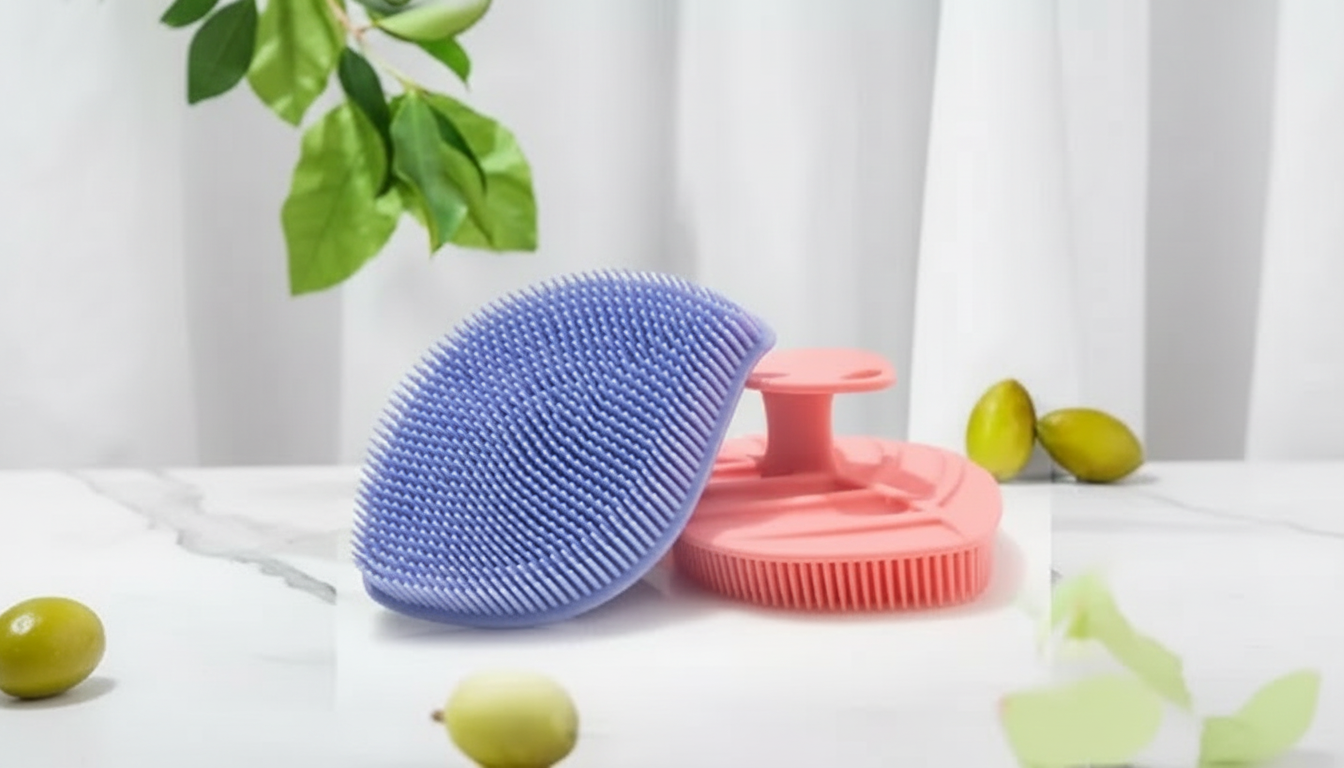
What are the disadvantages of scalp massagers?
Scalp massagers can feel relaxing and may help spread shampoo or scalp treatments, but they’re not ideal for everyone. The biggest drawbacks tend to come from using the wrong type of massager, applying too much pressure, or using it too often—especially if the scalp is already irritated or sensitive.
They can irritate a sensitive or inflamed scalp
If you have dandruff flare-ups, psoriasis, eczema, seborrheic dermatitis, sunburn, or general tenderness, a massager can increase redness, stinging, or itch. Even soft silicone tips can create friction that worsens inflammation when skin is compromised.
Overuse may lead to breakage and tangling
Massaging vigorously—especially on dry hair or curly/textured hair—can increase tangles, snagging, and breakage. People with fragile strands, chemical processing, or tight curls often do better using a gentler technique and limiting sessions to short, controlled passes.
It can spread product buildup (and sometimes odor)
Massagers can move oils, sweat, and styling product residue around the scalp. If you don’t cleanse well afterward, buildup can feel heavier at the roots and may make hair look greasier sooner. Devices that aren’t cleaned regularly can also hold onto residue and develop an unpleasant smell.
Hygiene concerns if the tool isn’t cleaned
Wet environments and leftover product can turn a scalp massager into a germ-friendly surface. Sharing one between people or storing it damp can increase the chance of irritation, follicle issues, or reintroducing grime to freshly washed hair.
Not a substitute for medical care
Scalp massagers can’t treat underlying scalp conditions. If flaking, sores, pain, or unusual hair shedding persists, it’s smarter to pause use and get guidance from a professional.
For a deeper breakdown of causes, precautions, and who should avoid certain tools, visit https://elegalle.com/what-are-the-disadvantages-of-scalp-massagers/.
FAQ
Can scalp massagers cause hair loss?
They typically don’t cause true hair loss, but aggressive rubbing can increase breakage or pull out loose shed hairs, making shedding seem worse. Using light pressure and avoiding tangling reduces the risk.










Leave a comment