Steam Clean a Whole House: What Works Room by Room
Is it possible to clean a whole house with a steam cleaner?
Yes—many homes can be cleaned almost top-to-bottom with a steam cleaner, especially hard, sealed surfaces and areas where grime builds up. Steam works by loosening dirt and residue with high heat and light moisture, which can reduce the need for strong chemicals while tackling everyday messes.
What a steam cleaner can handle room by room
Kitchens
Steam shines on sealed countertops, backsplashes, sinks, stovetops, range hoods, and appliance exteriors. It can lift greasy film from tile grout and help break down stuck-on spills. For food-prep areas, follow up by wiping with a clean microfiber cloth to physically remove what the steam loosens.
Bathrooms
It’s effective for tile walls, grout lines, shower doors, faucets, and toilet exteriors (avoid forcing steam into seams or delicate finishes). The heat helps soften soap scum and mineral buildup so it wipes away faster.
Floors
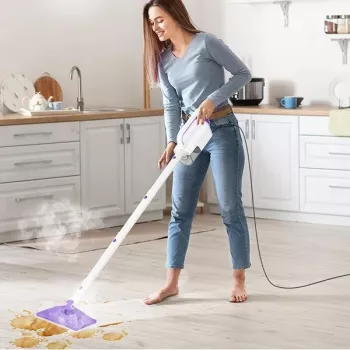
Sealed tile, vinyl, and sealed hardwood can typically be steam-cleaned when the manufacturer allows it and the mop head isn’t overly wet. Avoid unsealed wood, waxed floors, and delicate laminates that can swell or warp with heat and moisture.
Upholstery, mattresses, and fabrics
Some steamers include fabric tools, but results depend on the material. Steam can freshen and help loosen surface grime, yet it isn’t a cure-all for deep stains. Always test an inconspicuous spot and avoid saturating padding.
Where steam cleaning is not a fit
Steam isn’t ideal for unsealed porous surfaces (unfinished wood, some natural stone), items sensitive to heat (certain plastics, adhesives), or electronics. Also, steam alone doesn’t “remove” dirt—you still need to wipe, rinse, or vacuum to carry debris away.
How to make whole-house steam cleaning practical
Choose the right attachments (brushes, squeegee, floor head), work from top to bottom, and keep multiple microfiber cloths on hand so you’re always wiping with a clean surface. For a deeper guide on tools, surfaces, and step-by-step tips, visit the main article on cleaning a whole house with a steam cleaner.
FAQ
Can a steam cleaner sanitize without chemicals?
High-temperature steam can reduce germs on many hard surfaces, but true sanitizing depends on heat level, contact time, and the surface staying hot long enough. Wipe away loosened grime afterward, since residue left behind can still harbor bacteria.













Leave a comment