Can Stainless Steel Get Wet? Rust Risks & Care Tips
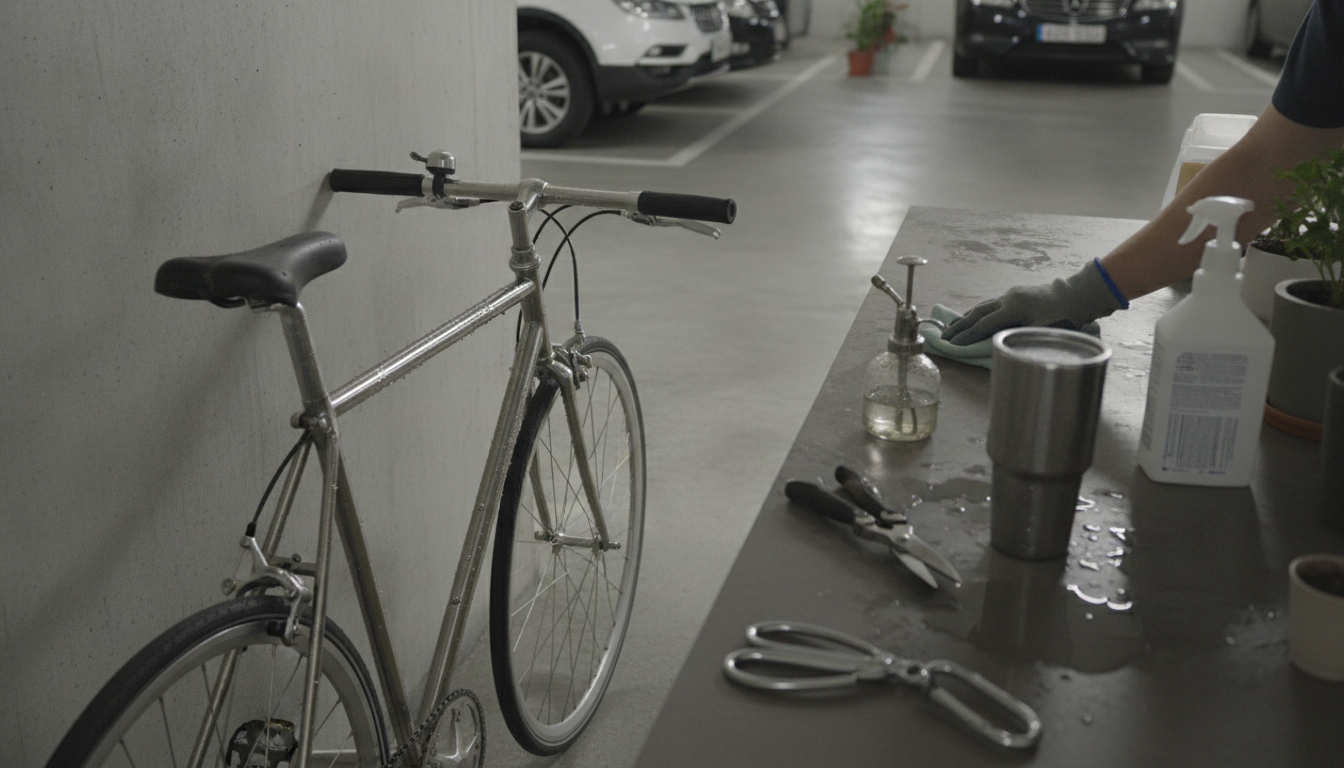
Is it okay if stainless steel gets wet?
Yes—stainless steel is designed to handle moisture, so getting it wet during normal use is typically fine. Most stainless items (cookware, sinks, fixtures, jewelry, and many outdoor components) can be exposed to water without immediate damage because the alloy forms a thin, protective chromium-oxide layer that helps resist rust.
When water can still cause problems
“Stainless” doesn’t mean “stain-proof.” If water sits on the surface for long periods—especially in crevices, under gaskets, or around fasteners—it can contribute to discoloration, water spots, or even localized corrosion. The risk increases with:
- Saltwater or de-icing salts (chlorides are tough on stainless)
- Hard water that leaves mineral deposits
- Exposure to bleach or harsh chlorine cleaners
- Constant damp conditions with poor airflow
How to care for stainless steel after it gets wet
For everyday wetting (washing, rain, splashes), simple habits keep stainless looking new:
- Wipe dry after cleaning or heavy splashing to reduce water spots.
- Rinse off salt, pool water, or cleaning chemicals promptly.
- Clean in the direction of the grain (for brushed finishes) using a mild soap and soft cloth.
- Avoid steel wool or abrasive pads that can scratch and leave iron particles behind.
What if it already shows spots or rust?
Light surface staining can often be removed with gentle stainless-steel cleaners or a baking-soda paste, followed by a thorough rinse and dry. If you’re seeing repeated rust in the same area, trapped moisture or chloride exposure is usually the culprit—not the entire piece “turning into” regular steel.
For a deeper dive into why stainless steel resists rust, what conditions can overwhelm it, and practical cleaning tips, visit the main guide here.
For Can Stainless Steel Get Wet? Rust Risks & Care Tips, the best answer depends on fit, material, care instructions, and how the product will be used day to day.
FAQ
Can stainless steel rust in saltwater?
Yes. Saltwater contains chlorides that can break down stainless steel’s protective layer, especially if the surface stays wet or isn’t rinsed and dried afterward.












Leave a comment