Winter Baby Swaddling: Safe Warm Layers Without Overheating
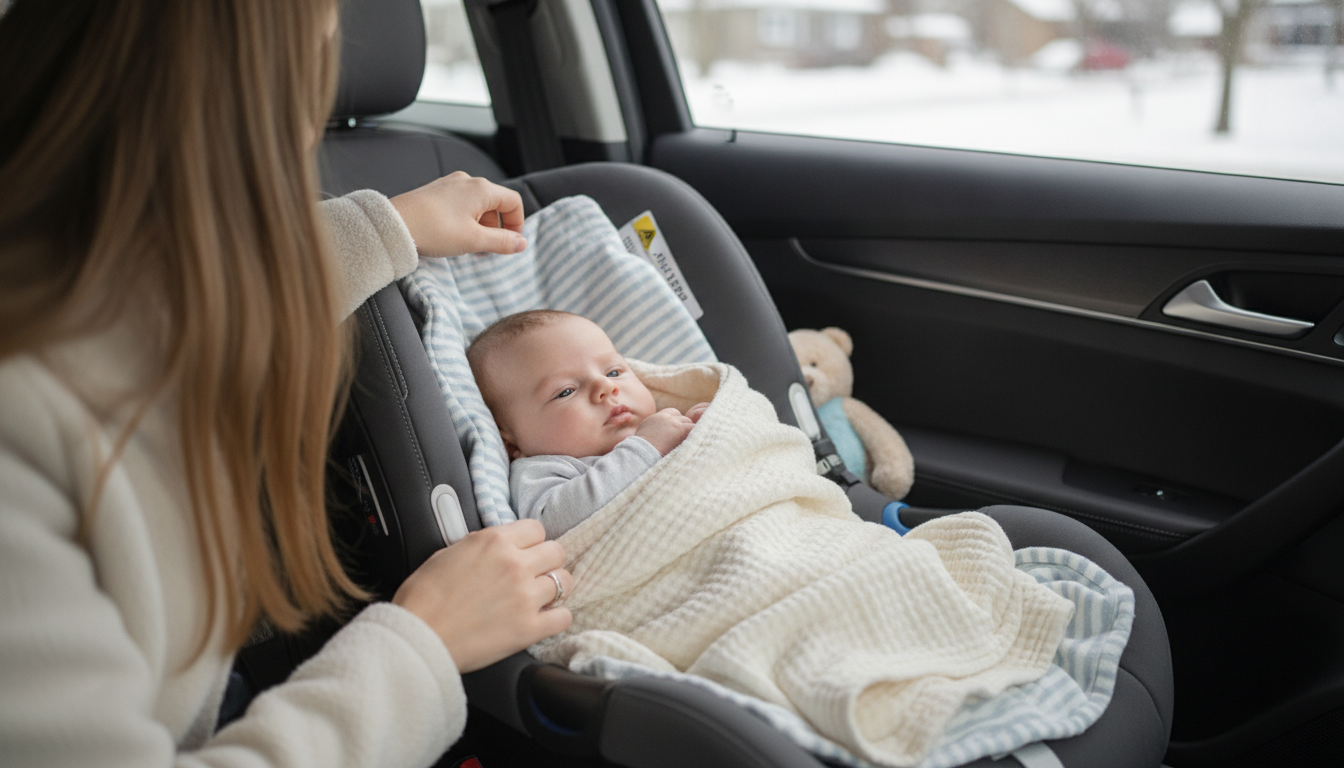
How to swaddle a baby in winter?
Winter swaddling is less about piling on blankets and more about combining the right indoor temperature, a breathable base layer, and a secure (but not tight) wrap. The goal is to keep your baby warm without overheating, since swaddling already adds insulation.
Start with the right room temperature
A comfortable sleep space is typically around 68–72°F. If the room is cold, warm the nursery (safely) before bedtime rather than adding thick layers to the swaddle. Avoid space heaters aimed at the crib and keep the crib free of loose blankets.
Choose a season-appropriate base layer
Use one thin, breathable layer under the swaddle, such as a cotton or bamboo footed sleeper or a long-sleeve onesie with pants. If your home runs chilly, a slightly warmer fabric (like cotton fleece) can work, but skip bulky outfits that restrict movement or trap too much heat.
Pick the safest swaddle style for winter
For cold months, a swaddle sack or wrap with secure fasteners can be simpler and more consistent than a loose blanket swaddle. Look for breathable materials and a snug fit around the torso that still allows natural chest movement.
Wrap correctly: snug arms, loose hips
Keep the swaddle firm enough that it won’t ride up toward the face, with arms comfortably contained (or one/both arms out if your baby prefers). The lower half should be loose so the hips and knees can flex and move naturally.
Check warmth the right way
Feel the back of the neck or chest—warm is good, sweaty or hot means remove a layer. Cold hands and feet can be normal; focus on the core. Signs of overheating include damp hair, flushed skin, rapid breathing, or fussiness.
For a step-by-step breakdown of fabrics, layering, and safe sleep tips, visit https://elegalle.com/how-to-swaddle-a-baby-in-winter/.
FAQ
What should a baby wear under a swaddle in cold weather?
A breathable long-sleeve onesie or footed sleeper is usually enough under a swaddle. If the room is chilly, choose a slightly warmer fabric rather than adding loose blankets.










Leave a comment