Smart Bike Trainer Cost: Price Ranges and What You Get
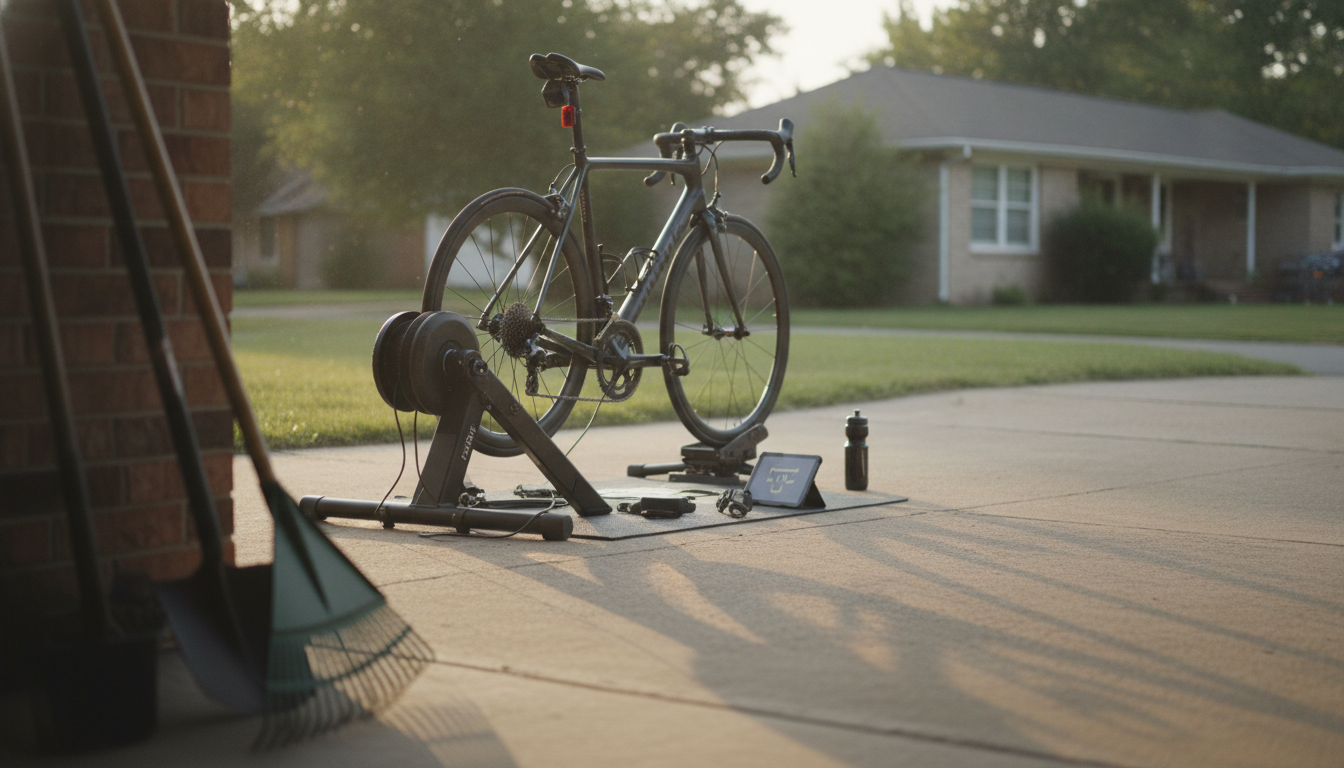
How much does a smart bike trainer cost?
Most smart bike trainers cost anywhere from about $300 to $1,600+, with the biggest price jumps tied to how the trainer mounts to your bike, how realistic the resistance feels, and how accurate the power readings are. Entry-level “smart” options typically deliver app-controlled resistance and basic metrics, while premium trainers focus on a quieter ride, higher accuracy, and better road feel for structured training.
Typical smart trainer price ranges
Budget smart trainers ($300–$600): Usually wheel-on models (your rear tire presses against a roller). They’re a cost-friendly way to get ERG mode workouts and virtual riding, but they can be louder, require tire pressure/roller tension consistency, and may show slightly less stable power numbers.
Midrange smart trainers ($600–$1,000): Often direct-drive (you remove the rear wheel and mount the bike to the trainer). These tend to be quieter, more consistent for power, and better at handling higher resistance—useful for intervals and climbs.
Premium smart trainers ($1,000–$1,600+): Designed for the most realistic feel and best data. Many include advanced features like improved flywheel response, stronger maximum resistance, better downhill simulation (on select models), and tighter accuracy specs.
What changes the price the most?
Wheel-on vs. direct-drive: Direct-drive trainers generally cost more but reduce tire wear and slippage.
Power accuracy: Higher-end units commonly advertise tighter accuracy (for example, ±1–2%) compared with less expensive trainers.
Noise and ride feel: Better internal design and heavier flywheels can feel smoother and sound quieter—two factors that matter in apartments or shared spaces.
Included cassette and compatibility: Some trainers require you to buy and install a cassette separately, which adds to the total cost. Axle standards and drivetrain speed (e.g., 9/10/11/12-speed) can also affect what you’ll need.
Don’t forget the “extras”
Beyond the trainer, many riders budget for a trainer mat, a sweat guard, a fan, and possibly a subscription to a training or virtual cycling app. Those add-ons can dramatically improve comfort and durability without being mandatory on day one.
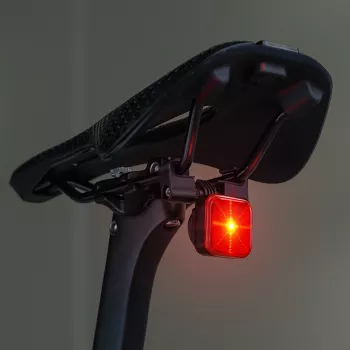
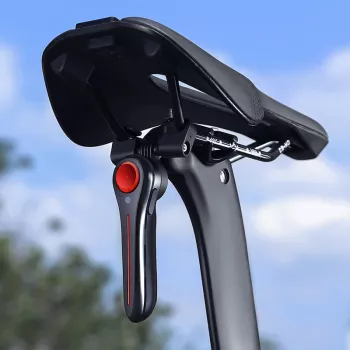
For more bike gear guidance and practical riding safety upgrades, see this guide to a brake-sensing smart pixel bike tail light.
FAQ
Do smart bike trainers require a subscription?
No—most trainers will work without a subscription for basic resistance control and data display, but many popular training platforms and virtual riding apps charge monthly or annual fees for structured workouts and events.












Leave a comment