Dog Road Trip Time: How Long Is Too Long?
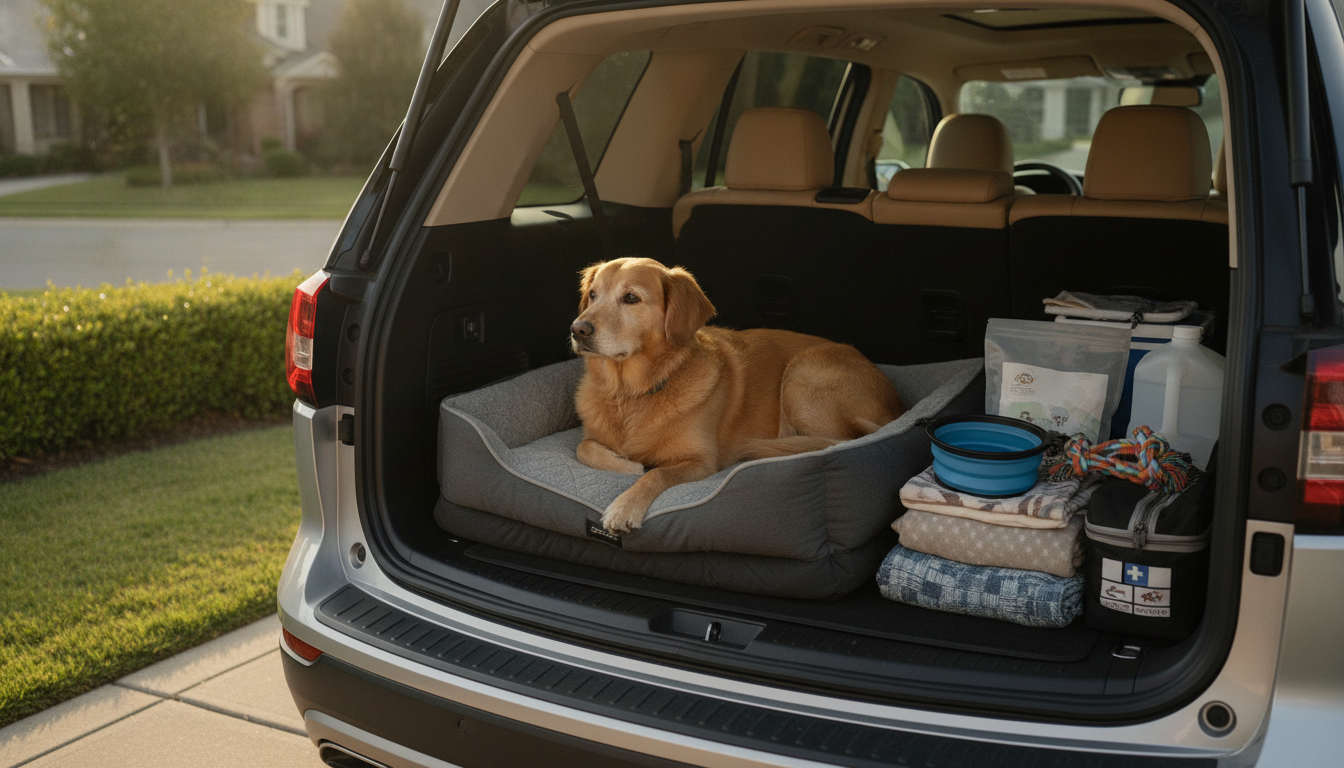
How long can a dog go on a road trip?
Most healthy adult dogs can handle a road trip day of about 6–8 hours of driving time when it’s broken up with frequent stops. That doesn’t mean nonstop highway miles—plan for a break every 2–3 hours for water, a potty walk, and a quick stretch. Puppies, senior dogs, and dogs with medical conditions typically need shorter stints and more frequent breaks.
A practical way to think about “how long” is to separate total travel days from continuous time in the car. Many dogs can do multi-day trips as long as each day includes consistent routines (meals, potty time, movement, and downtime) and the car environment stays comfortable—cool temperatures, good airflow, and a secure restraint such as a crash-tested harness or travel crate.
What affects how long your dog can ride?
Temperament and experience matter as much as age and fitness. A dog who’s already comfortable with car rides may do better on longer days than an anxious dog on a shorter route. Motion sickness, heat sensitivity (especially in brachycephalic breeds), and stress signals like drooling, panting, whining, or restlessness are signs to shorten the day and add more breaks.
How to plan a safe road trip schedule
Start with shorter “practice” drives if your dog is new to travel. Pack water, a leash, waste bags, and any medications. Avoid feeding a full meal right before departure if your dog gets carsick; instead, offer a light meal after you’ve been on the road for a bit and keep water available at stops. If your dog won’t settle or seems uncomfortable, it’s okay to stop early and reset.
For a detailed checklist and more timing guidance, visit this complete guide on how long a dog can go on a road trip.
FAQ
What should I pack for a dog-friendly road trip?
Bring water and a bowl, leash and waste bags, food and treats, any medications, and a safe restraint (crate or harness). Include a towel and cleaning supplies in case of muddy paws or accidents.














Leave a comment