Pack Sinking Pencil Baits: Long Casts, More Control
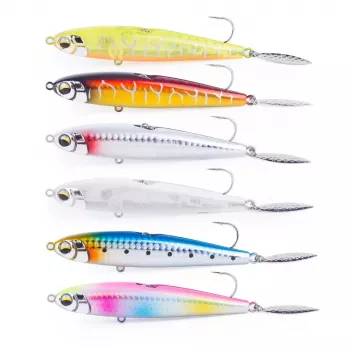
Pack Sinking Pencil Baits for Long Casts and Versatile Retrieves
Sinking pencil baits are built for distance, control in wind and current, and a tight, baitfish-like profile that can be worked from the surface down through the upper water column. Because they sink on the pause, they let you adjust depth and cadence without switching to a completely different lure style. Carrying a multi-bait pack makes it easier to rotate colors, replace a lost lure, and match changing light or water clarity without rebuilding the tackle box.
What makes a sinking pencil bait different
A sinking pencil bait is a slim, aerodynamic hard bait that casts like a dart and stays more composed in crosswinds than many floating topwaters. Unlike a floater that stalls at the surface, a sinking pencil bait drops when you pause—giving you a built-in way to probe slightly deeper fish while keeping the same “small bait” look.
- Sinks on the pause, allowing controlled depth without changing lure style
- Long-cast shape for covering water from shore, jetties, and open flats
- Works at multiple speeds: steady swim, quick burn, or stop-and-go
- Better wind performance than many floating topwaters and poppers
- Typically excels when fish are keyed on slender baitfish (sprats, anchovies, sand eels)
When to throw a sinking pencil bait
If fish are feeding up top but won’t fully commit, or if conditions keep pushing floating lures off track, a sinking pencil bait often stays in the strike zone longer and gives you more control.
- Windy days when floating topwaters get pushed off line or lose action
- Clear to moderately stained water where a narrow silhouette looks natural
- Active baitfish near the surface with occasional deeper marks on pauses
- Current seams near inlets, bridges, and points where a controlled sink helps
- Low light (dawn/dusk) when fish roam higher but may strike on the drop
Core retrieves that trigger bites
Most bites come from two things: keeping the lure tracking cleanly, and using the pause to change speed and depth. Start simple, then add small adjustments—rod angle, pause length, and retrieve tempo—until you’re getting clean commits.
- Straight retrieve: keep the rod tip low for a stable swim and consistent depth
- Twitch-and-pause: short taps of the rod tip, then let it sink briefly to mimic a wounded baitfish
- Burn-and-kill: fast crank to draw attention, then stop to force a reaction hit on the fall
- Sweep-and-reel: long rod sweeps to impart glide, then regain slack with the reel
- Depth control: count down (1–5 seconds) before starting the retrieve when fish are holding slightly deeper
Retrieve style guide
| Retrieve | Best conditions | What it imitates | Common target species (examples) |
|---|---|---|---|
| Straight retrieve | Wind chop, fish actively feeding | Small schooling baitfish | Striped bass, bluefish, snook |
| Twitch-and-pause | Clear water, pressured fish | Injured baitfish | Seatrout, redfish, bass |
| Burn-and-kill | Aggressive fish, moving schools | Panic baitfish then collapse | Bluefish, bonito, jack crevalle |
| Sweep-and-reel | Current seams, edges of structure | Gliding baitfish | Stripers, snook, barracuda (where present) |
Tackle setup for control and hookup rate
A sinking pencil bait is at its best when you can cast far, feel the lure track, and stay connected during the pause. The goal is to keep enough tension to detect subtle “tick” bites, while still allowing the lure to sink naturally.
Color and presentation tips that travel well
Why a 3-pack helps on the water
Premium 3-Pack Sinking Pencil Baits
Quick buying checklist
| Check | Why it matters |
|---|---|
| Casting weight and balance | Improves distance and reduces tumbling in wind |
| Hook sharpness and strength | Better penetration and fewer bent hooks on strong fish |
| Leader abrasion resistance | Helps around rocks, shells, and structure |
| Color rotation | Adapts to changing light and water clarity quickly |
Extra in-stock picks for anglers and gifts
- Whole You: Holistic Wellness Guide | Beginner Wellness Ebook | Digital Download on Nutrition, Exercise, Mental Health & Self-Care (a practical reset for travel, early mornings, and long weekends on the water)
- Minimalist White Rhinestone Cross Pendant Necklace in 18K Gold (easy gift option when you’re stocking up tackle, too)
Care, storage, and safety
- Rinse lures after saltwater use and dry before storage to reduce corrosion
- Separate lures by hook type or use hook covers to prevent tangles and dull points
- Replace split rings or hooks that show rust, spreading, or loss of sharpness
- Use long-nose pliers and a dehooker for safer releases, especially with treble hooks
- Follow local regulations for seasons, size limits, and protected species handling (see NOAA Fisheries — Recreational Fishing)
- Help prevent the spread of invasive species with “Clean, Drain, Dry” best practices (see U.S. Fish and Wildlife Service — Aquatic Invasive Species)
FAQ
How deep does a sinking pencil bait run?
Depth depends on sink rate, current, line diameter, and retrieve speed. A simple approach is to count it down for 1–5 seconds before reeling, then adjust rod angle and speed until you’re ticking the strike zone without snagging.
Do sinking pencil baits work from shore in windy conditions?
Yes—their slim profile and weight help them cast farther and track better when the wind is up. Using braid for distance and keeping steady tension (even during pauses) makes it easier to feel hits and stay connected.
What retrieve should be tried first when fish are following but not biting?
Try twitch-and-pause or burn-and-kill to add a sudden change in speed and a brief sink that can trigger a reaction strike. If visibility is low, switching to a higher-contrast color can also help fish commit.













Leave a comment