One Handmade Glass for Coffee, Champagne & Wine
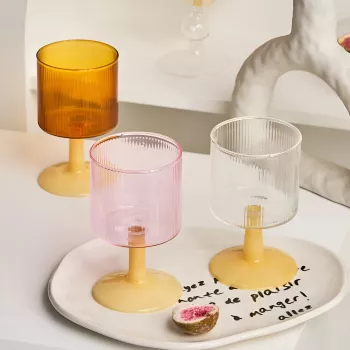
<a href=”https://elegalle.com/handmade-heat-resistant-glass-cup-for-wine-champagne-coffee/”>Handmade Heat-Resistant Glass Cup for Wine, Champagne & Coffee</a>

A single glass that moves comfortably from espresso to sparkling wine needs more than good looks: it must handle temperature changes, feel balanced in the hand, and keep flavors clean. This handmade heat-resistant glass cup is designed for hot and cold drinks alike, with a minimalist silhouette that suits everyday coffee as well as celebrations.
What Makes a Heat-Resistant Handmade Glass Cup Different
Not all glass drinkware behaves the same way when it meets hot coffee or a chilled pour. Heat-resistant glass is designed to tolerate hot liquids better than ordinary soda-lime glass, making it a smart choice for routines that include both morning coffee and evening wine.
- Built to handle both hot and chilled beverages, reducing worry about routine temperature swings.
- Handmade character: subtle variations in shape and clarity can occur, giving each cup a slightly unique finish.
- Neutral material that won’t retain odors or flavors, helping coffee and wine taste the way they should.
- A presentation-forward look that works for wine, champagne, and specialty coffee without needing separate glassware.
Because the cup is handmade, the appeal is partly in its individuality. A slightly different curve, a tiny change in thickness, or a soft shift in clarity can make each piece feel personal while still fitting a clean, modern table.
Best Uses: Coffee, Wine, and Champagne
A multi-use glass earns its place by performing well across different drinks, not merely “working” in a pinch. The goal is to preserve aromatics, keep temperatures comfortable, and make each pour look intentional.
Coffee and tea
- Comfortable for espresso, Americano, cappuccino, and steeped tea.
- In cooler rooms, pre-warm the cup with hot water for extra comfort, then discard the water and pour your drink.
Sparkling wine and champagne
- The clear bowl highlights bubbles and color, making celebrations feel elevated even without specialized stemware.
- Pour gently at an angle to preserve carbonation and reduce foam.
White and rosé
- The glass showcases clarity and aromatics, especially in lighter, fruit-forward styles.
- Chill the drink rather than the glass to help avoid condensation drips and keep the rim comfortable.
Dessert pours and cocktails
- Works well for espresso martinis, cordial-style serves, and small-format mixed drinks.
- For layered drinks, the transparency turns simple builds into an eye-catching presentation.
For temperature guidance on wine service, consult established references like the Society of Wine Educators, and for coffee technique and standards, the Specialty Coffee Association provides helpful resources.
Materials, Heat Resistance, and Everyday Safety
Heat-resistant glass reduces the chances of cracking during normal hot-drink use, but it is not indestructible. The biggest risk comes from sudden, extreme temperature changes—often called thermal shock—rather than from hot coffee alone.
- Heat-resistant glass is intended to tolerate hot liquids better than ordinary soda-lime glass, but it is not indestructible.
- Avoid extreme thermal shock: do not move the cup directly from freezer-cold to boiling-hot; allow a short transition period.
- Place on coasters or wooden surfaces after hot pours to protect countertops and reduce stress on the base.
- If the rim chips or cracks appear, retire the cup from beverage use for safety.
If you’re building a kitchen collection around materials that contact food and beverages, it’s also worth reading background information from the U.S. Food & Drug Administration (FDA) on food contact substances.
Quick Specs and Serving Guide
This handmade heat-resistant glass cup is designed for multiple drink styles—hot and cold—without forcing you into a single “correct” use. It also makes a thoughtful gift: practical enough for everyday routines, yet refined enough for dinner parties and celebratory pours.
- Handmade heat-resistant glass cup designed for multiple drink styles (hot and cold).
- Ideal for gifting: a practical item that also elevates table settings and home coffee bars.
- Pairs well with simple accessories: coasters, a small tray, or a bottle stopper for sparkling wine.
| Drink | Recommended pour style | Temperature tips | Notes |
|---|---|---|---|
| Espresso / short coffee | Small pour, sip slowly | Pre-warm with hot water, then pour | Highlights crema and color |
| Cappuccino / latte | Pour to leave space at rim | Avoid scorching-hot milk; aim for drinkable warmth | Clear glass shows layers and foam |
| Tea | Steep separately or use an infuser | Let boiling water settle briefly before pouring | Great for showcasing color |
| Champagne / sparkling wine | Slow, angled pour | Chill the bottle; keep glass at room temp | Helps maintain bubbles and aroma |
| White wine / rosé | Moderate pour | Serve chilled, avoid icing the glass | Clean glass keeps aromatics crisp |
How to Choose the Right Heat-Resistant Glass Cup
The “right” cup depends on how it will be used most days. A glass that feels perfect for espresso can feel undersized for a latte, while a wine-friendly shape can feel too delicate for desk-side coffee. Use these checkpoints to match form to habit.
Care and Cleaning for Long-Lasting Clarity
When to Use a Different Glass Instead
FAQ
Can a heat-resistant glass cup be used for both coffee and champagne?
Yes—heat-resistant glass is suitable for hot and cold drinks. Rinse between uses to keep flavors clean, and avoid extreme temperature jumps such as freezer-cold glass meeting boiling-hot liquid.
How should handmade glass be cleaned to avoid cloudiness?
Use mild soap, warm water, and a soft sponge, then dry with a lint-free towel. Skip abrasive pads, and for haze, do a brief soak in warm water with a small amount of baking soda before rinsing well.
Will heat-resistant glass prevent cracking from hot liquids?
It reduces the risk compared with regular glass, but it isn’t crack-proof. Let boiling water settle briefly, pre-warm the cup if it’s very cold, and avoid placing a hot cup on icy or wet surfaces.












Leave a comment