Scalp Exfoliating Brushes: Do They Work and How to Use
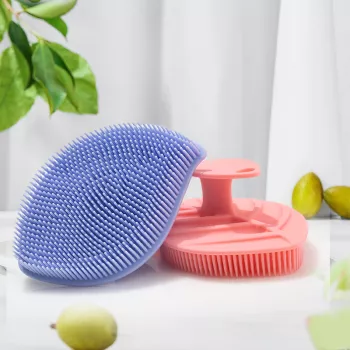
Do scalp exfoliating brushes work?
Yes—scalp exfoliating brushes can work when they’re used correctly and paired with the right cleansing routine. The short bristles help loosen product buildup, lift flakes, and dislodge excess oil so shampoo can rinse it away more effectively. Many people also notice their scalp feels “lighter” and less itchy after consistent use, especially if they rely on dry shampoo, styling products, or go several days between washes.
How they help (and what they don’t do)
A scalp brush primarily provides gentle physical exfoliation and massage. That can improve how thoroughly you cleanse, reduce visible flaking from buildup, and support a healthier scalp environment. What it won’t do is “detox” your scalp overnight or replace treatment for medical scalp conditions. If flakes are caused by seborrheic dermatitis, psoriasis, or eczema, a brush may help remove scale, but it won’t address the underlying inflammation on its own.
How to use a scalp exfoliating brush safely
Use light pressure and small circular motions for 30–60 seconds, focusing on the scalp (not the hair lengths). Most people do best using it while shampooing in the shower, because the slip from water and cleanser reduces friction. If you have a sensitive scalp, start with once a week and increase only if your scalp feels comfortable.
- Choose soft, flexible bristles to avoid scratching.
- Avoid using on broken skin, active sores, or significant irritation.
- Rinse the brush after every use and let it dry to prevent buildup and odor.
When a brush can make things worse
Over-scrubbing can cause micro-irritation, increased redness, or a rebound of oiliness if the scalp gets inflamed. If brushing causes stinging, tenderness, or more flakes after a few uses, scale back frequency or switch to a gentler brush and a more hydrating shampoo.
For a deeper look at results, techniques, and what to expect based on scalp type, read the full guide here: https://elegalle.com/do-scalp-exfoliating-brushes-work/.
FAQ
How often should you use a scalp exfoliating brush?
Most people do well 1–3 times per week, usually during shampooing. If your scalp is sensitive or you color-treat your hair, start once weekly and adjust based on comfort.












Leave a comment