Knit a Baby Blanket on Straight Needles: Easy Tips
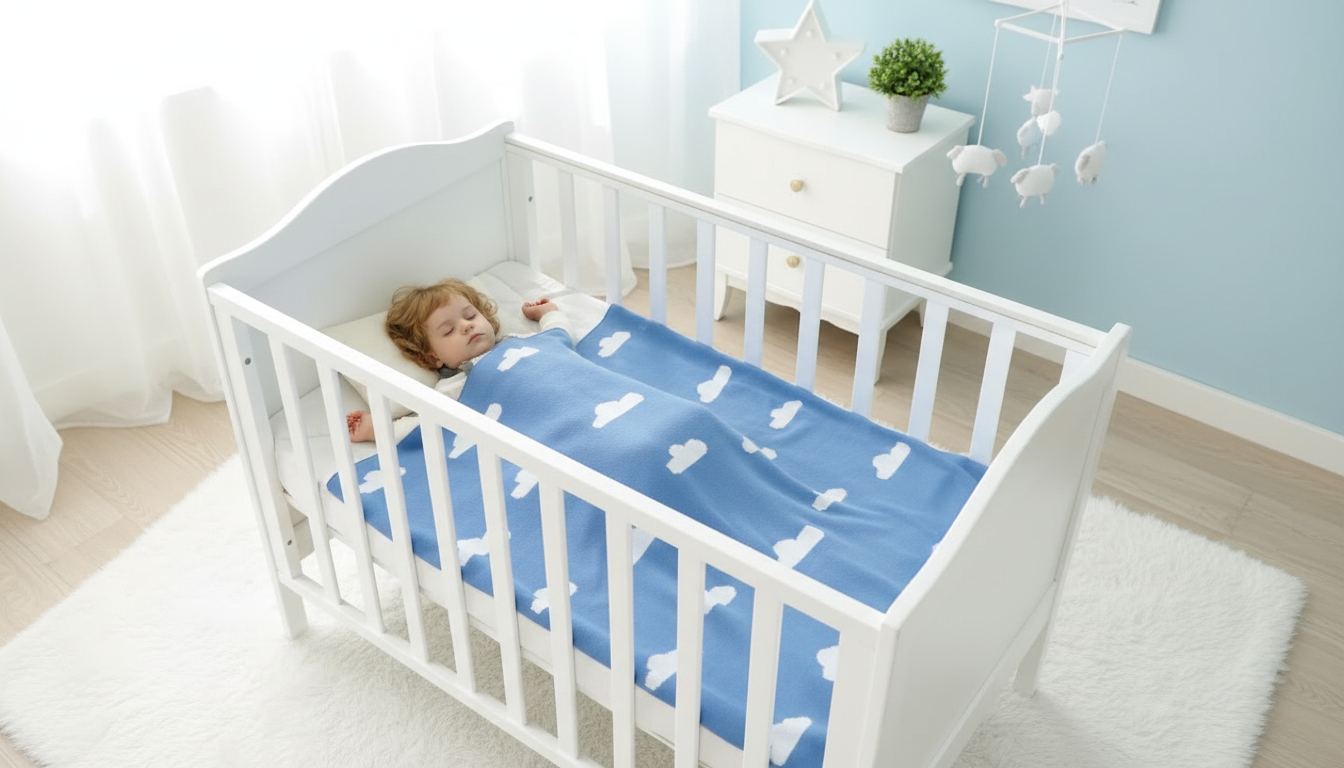
Can you knit a baby blanket on straight needles?
Yes—many baby blankets can be knitted on straight needles, especially if the pattern is worked flat in one piece. A basic garter stitch or simple textured pattern is often a great match for straight needles because you can knit every row without complex shaping, and the fabric lays flat and sturdy for everyday use.
How it works on straight needles
When you knit a blanket on straight needles, you’re working back and forth in rows. You’ll cast on the blanket’s full width, knit to the end of the row, turn your work, and continue until the blanket reaches the desired length. This approach is straightforward, beginner-friendly, and easy to track—especially with stitch markers at the edges.
When straight needles are a good choice
Straight needles work well for smaller blankets (like stroller or cradle sizes) and for yarns that aren’t overly heavy. If you prefer the feel of straight needles, you can also choose longer ones (such as 14-inch) to hold more stitches comfortably. Smooth needle tips can help the bulk move more easily as the blanket grows.
Potential challenges (and simple fixes)
The main issue is weight: as the blanket gets bigger, it can feel heavy on your wrists and may slide toward the needle tips. If stitches start crowding, it may become harder to knit smoothly. A practical workaround is to knit a smaller size, use a lighter yarn, or select longer straight needles so the stitches have more room to spread out.
Best stitches for baby blankets on straight needles
Garter stitch is a go-to because it resists curling and stays plush. Seed stitch and ribbed borders are also popular for adding texture and helping edges stay neat. For baby items, softer, washable yarns (often labeled as machine-washable) make care much easier.
For more details, sizing guidance, and needle options, visit the full guide on knitting a baby blanket on straight needles.
FAQ
What is the easiest stitch for a baby blanket?
Garter stitch is one of the easiest and most reliable options because it’s simple to knit and naturally resists curling. It also creates a squishy, warm fabric that holds up well to frequent washing.










Leave a comment