Steam Cleaning for Allergies: What It Helps (and Doesn’t)
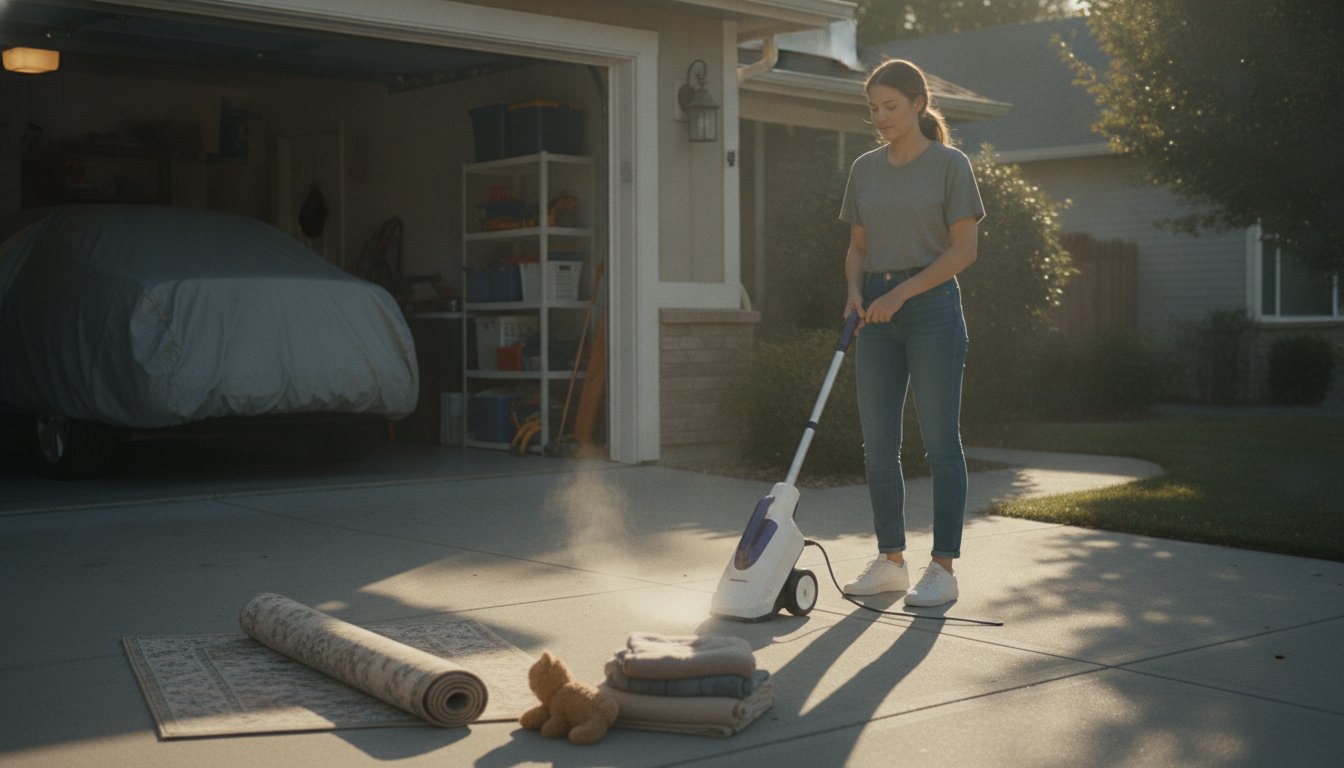
Can steam cleaning help with allergies?
Steam cleaning can help with allergies by reducing common indoor triggers like dust mites, pet dander, and mold on hard surfaces and some washable items. High-temperature steam loosens debris and can deactivate many allergens without leaving behind chemical residues that may irritate sensitive noses or skin.
Why steam makes a difference for allergy sufferers
Many allergens cling to floors, tile grout, bathroom surfaces, and upholstery fibers. Steam’s heat and moisture help lift and break up that buildup so it can be wiped away, rather than just pushed around. For dust mites specifically, heat is a major advantage because mites and their allergen-laden waste don’t tolerate high temperatures well.
Where steam cleaning helps the most
Steam cleaning is especially useful on sealed hard floors, bathroom tile, shower doors, sinks, and kitchen surfaces where residue and mold can accumulate. It can also help refresh some fabric surfaces (like curtains or certain upholstery) when the manufacturer allows it. The key is to follow the tool and surface instructions so you don’t over-wet materials that can trap moisture.
Limitations to know before you start
Steam cleaning isn’t a complete allergy solution. It won’t remove airborne pollen already circulating, and it can’t replace proper vacuuming with a HEPA filter, regular washing of bedding, and controlling indoor humidity. Also, using steam on unsealed wood, delicate fabrics, or porous materials can cause warping or moisture issues—conditions that may encourage mold if areas don’t dry quickly.
Best practices for allergy-friendly steam cleaning
Work in small sections, then wipe or extract loosened grime immediately so allergens are removed from the surface. Ventilate the room and let surfaces dry fully. For carpets and large upholstery pieces, consider whether a hot-water extraction machine or professional cleaning is a better fit for deep allergen removal.
For a deeper look at methods, surfaces, and practical tips, visit the full guide on steam cleaning and allergies.
FAQ
Does steam cleaning kill dust mites?
High heat can kill dust mites on contact and help remove the allergens they leave behind. For best results, steam slowly and follow up by wiping or vacuuming with a HEPA-filtered machine after the area dries.













Leave a comment