Using Your Phone as a Bike Light: Safe Setup & Limits
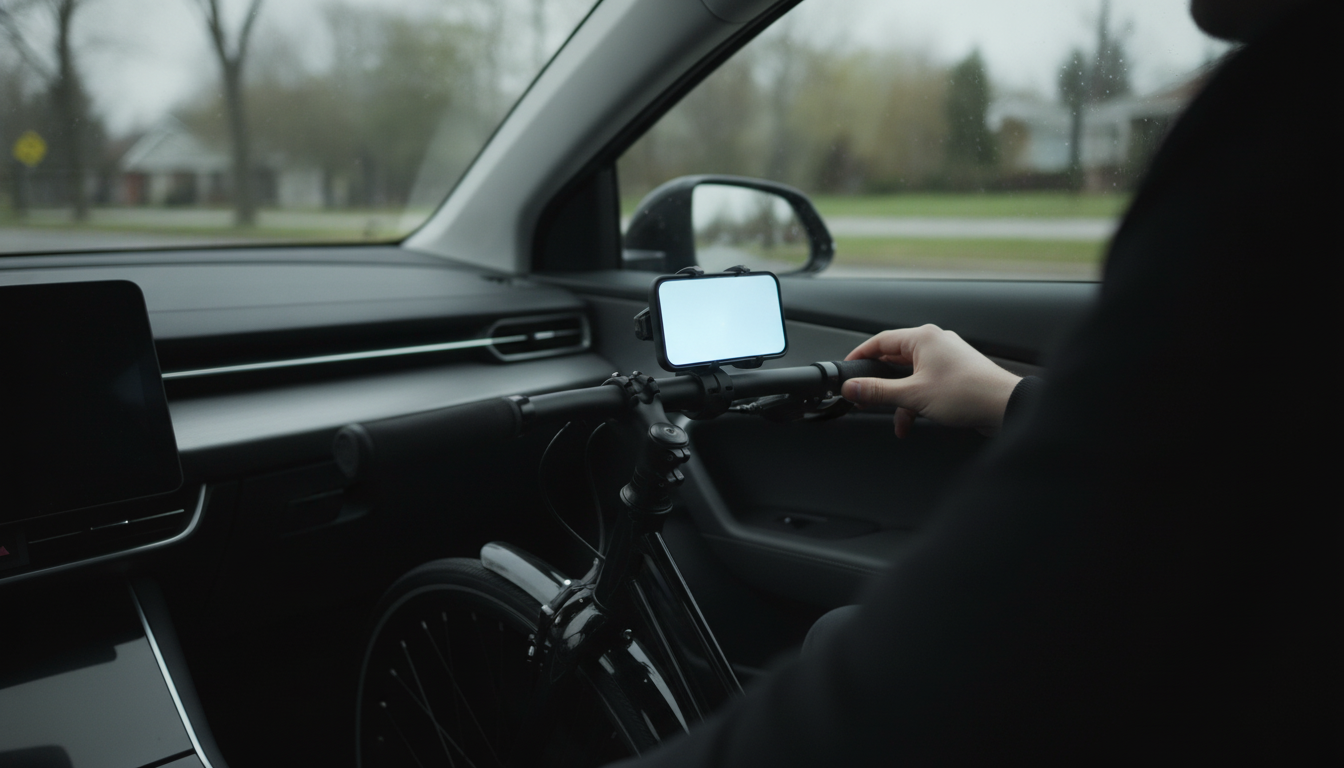
Can I use my phone as a bike light?
Yes—your phone can work as a temporary bike light, but it’s best treated as a short-term backup rather than a full replacement for a dedicated front and rear bike light. Most smartphones can produce enough light to help you be seen in low-light situations, especially if you use the flashlight on steady or strobe mode. The bigger challenge is aiming the light properly, keeping the phone secure, and not draining your battery when you might need it for navigation or emergencies.
For a deeper breakdown of practical setups, safety tradeoffs, and when it’s worth upgrading, see the full guide here: https://elegalle.com/can-i-use-my-phone-as-a-bike-light/.
How to use a phone as a bike light safely
Use a secure mount (not a pocket)
A handlebar mount is the safest option because it keeps the beam pointed forward and reduces the chance your phone falls into the road. Avoid riding with the flashlight in your hand or balanced in a bag—it’s unstable and makes steering harder.
Pick the right mode and brightness
Steady mode helps you see the road immediately ahead. A blinking/strobe mode can help others notice you, but it may not illuminate potholes or debris as well. If your phone has adjustable brightness, start high for visibility and then reduce it to conserve power if needed.
Manage battery and heat
Running a flashlight at full brightness can drain the battery quickly and may heat the phone, especially when combined with GPS. If you must rely on your phone, carry a small power bank and avoid enclosing the phone in a thick case that traps heat.
Limitations to know before relying on your phone
Phones aren’t designed as traffic safety devices. The beam pattern is narrow, the light output isn’t optimized for cycling speed, and weather can reduce effectiveness. Also, a phone mounted on the bars is exposed to vibration, rain, and potential crashes—risking damage right when you may need to call or navigate.
FAQ
Do I need a red rear light if I already have a bright front light?
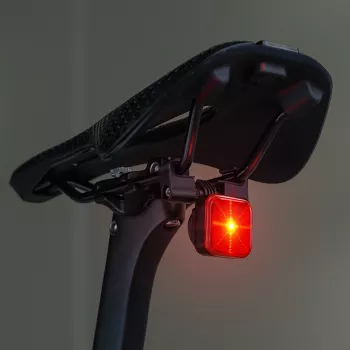
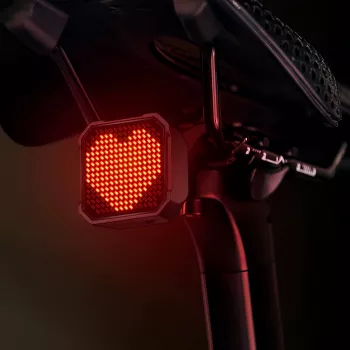
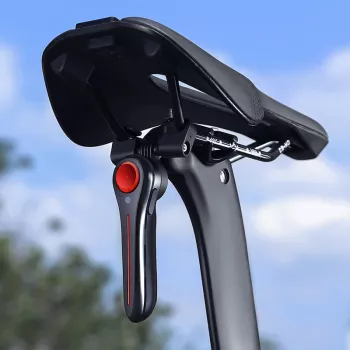
Yes. A front light helps you see and be seen from the front, but a red rear light is what alerts drivers approaching from behind, especially on darker roads and at intersections.











Leave a comment