USB Rechargeable Bike Tail Lights: Are They Worth It?
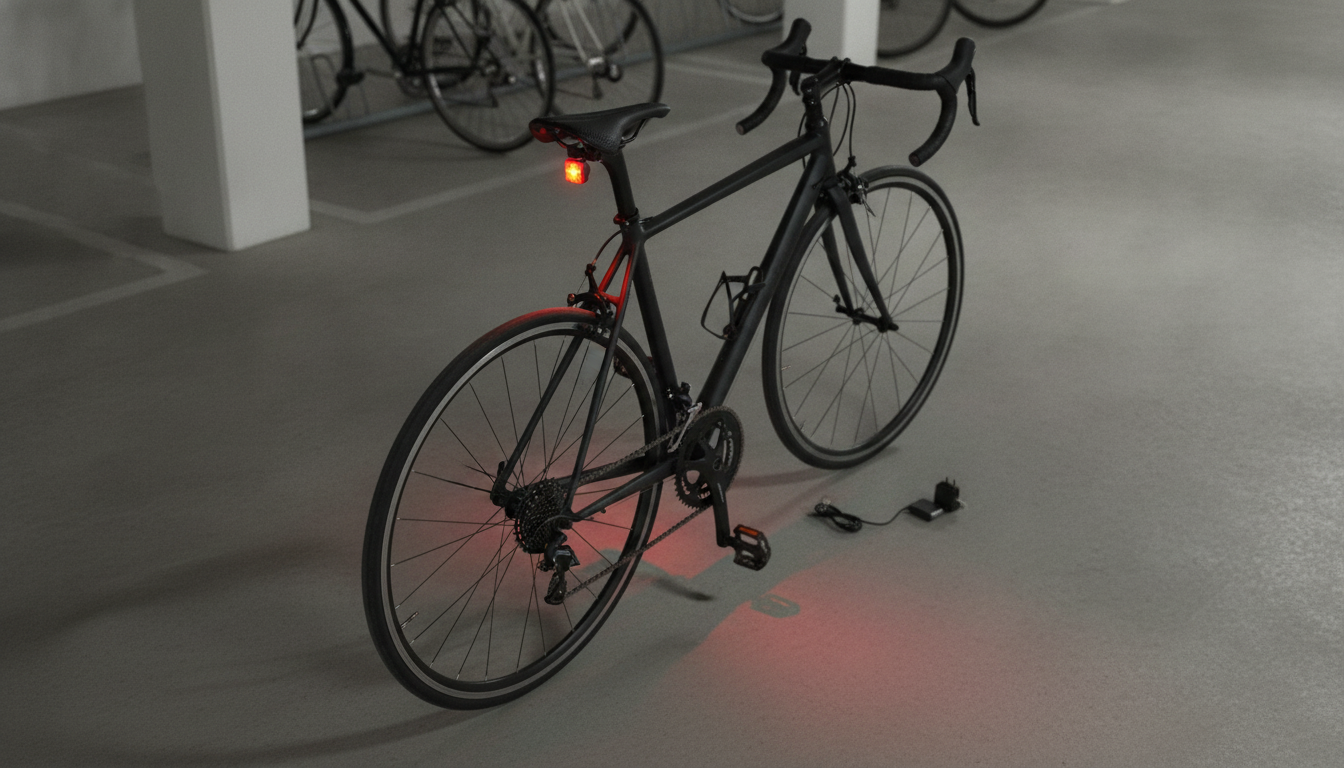
Are USB rechargeable bike tail lights worth it?
For most riders, USB rechargeable bike tail lights are worth it because they’re convenient, cost-effective over time, and easy to keep bright and ready for every ride. Instead of buying and disposing of coin cells or AAAs, a rechargeable tail light can be topped off from a wall adapter, power bank, laptop, or car charger—especially helpful for commuters and frequent cyclists.
Why rechargeable tail lights are a smart buy
The biggest advantage is practicality. When a tail light runs on disposable batteries, performance often fades gradually, and it’s easy to get caught with a dim light. Many rechargeable models maintain more consistent output and make it obvious when it’s time to charge with a low-battery indicator.
They can also be cheaper long-term. If you ride several days a week, the cost of replacement batteries adds up fast. Rechargeables reduce that recurring expense and cut down on waste, which is a plus if you’re trying to keep your gear—and your routine—simple.
When they might not be worth it
USB rechargeable tail lights aren’t perfect for every situation. If you’re doing multi-day touring without regular access to power, a disposable-battery light (or carrying a spare light) can be easier. Some budget rechargeable lights also have shorter runtimes or slower charging, so it’s worth checking claimed runtime and real-world reviews.
What to look for before you buy
Prioritize daytime visibility (a strong flash mode), easy mounting, weather resistance, and a clear battery indicator. Also consider charging style (USB-C vs. micro-USB), runtime on your preferred mode, and whether the light is easy to remove for charging if you lock up outdoors.
For a deeper breakdown of pros, cons, and what features matter most, see the full guide here: https://elegalle.com/are-usb-rechargeable-bike-tail-lights-worth-it/.
FAQ
How many lumens should a bike tail light have?
For daytime riding, many cyclists prefer a brighter tail light (often 50+ lumens) with a punchy flash pattern. At night, lower steady modes can work well, but higher output improves visibility in traffic and on poorly lit roads.











Leave a comment