Steam Cleaning Furniture: When It’s Safe (and When Not)
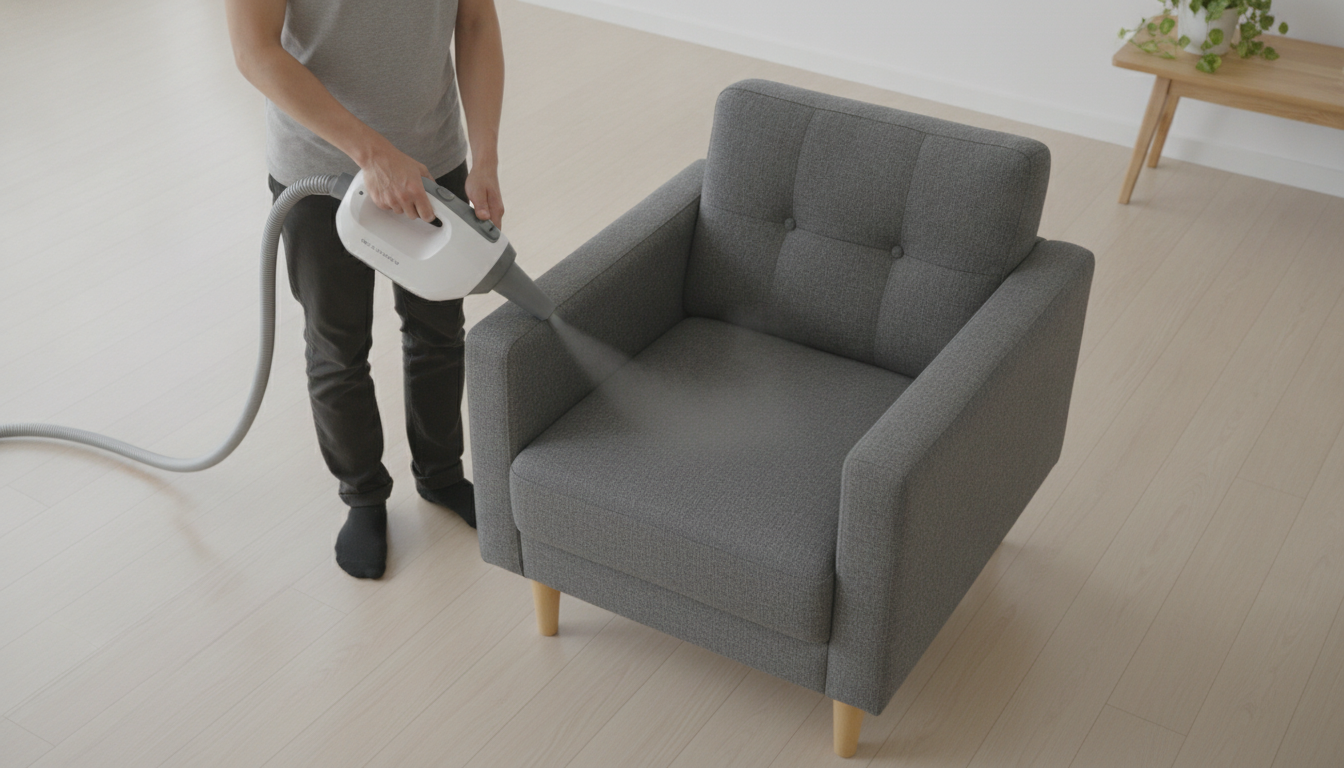
Are steam cleaners good for furniture?
Steam cleaners can be good for certain types of furniture because hot vapor helps loosen grime, lift some stains, and reduce odors without relying on harsh chemicals. They’re especially useful on durable, water-tolerant surfaces and tightly woven fabrics that can handle brief exposure to heat and moisture.
That said, steam is not a universal “safe for everything” solution. Too much heat or moisture can cause discoloration, shrinkage, watermarking, or glue failure in some upholstery and cushions. The best results come from matching the steam cleaner’s settings (temperature, pressure, and flow) to the furniture material and using light, controlled passes.
When steam cleaning furniture works well
Steam cleaning tends to perform best on sealed surfaces and sturdy upholstery that can tolerate dampness. It can also help refresh high-touch areas like armrests and headrests, where body oils and residue build up over time. For routine freshening, a quick pass followed by thorough drying can leave furniture feeling cleaner without a lingering chemical smell.
When to avoid using a steam cleaner
Avoid steaming delicate, moisture-sensitive, or heat-sensitive materials. Pieces with loose weaves, unknown dyes, or older upholstery may bleed color or develop rings. Furniture that relies on adhesives (some bonded layers, trims, or certain cushion constructions) may also delaminate under heat.
Tips for safer, better results
Always test an inconspicuous spot first and let it fully dry before committing to the whole piece. Use the lowest effective setting, keep the nozzle moving, and don’t saturate the fabric—steam should be brief, not soaking. Afterward, speed drying with airflow (fans/open windows) and avoid sitting on the item until it’s completely dry.
For material-specific guidance and practical do’s and don’ts, see the full guide here: https://elegalle.com/are-steam-cleaners-good-for-furniture/.
FAQ
Can you steam clean a couch without ruining it?
Yes, if the upholstery can tolerate heat and light moisture, and you use low settings with quick passes. Test a hidden area first, avoid over-wetting, and dry the couch thoroughly to prevent water marks and mildew.











Leave a comment