Silicone Scalp Scrubbers: Benefits, Risks, How Often
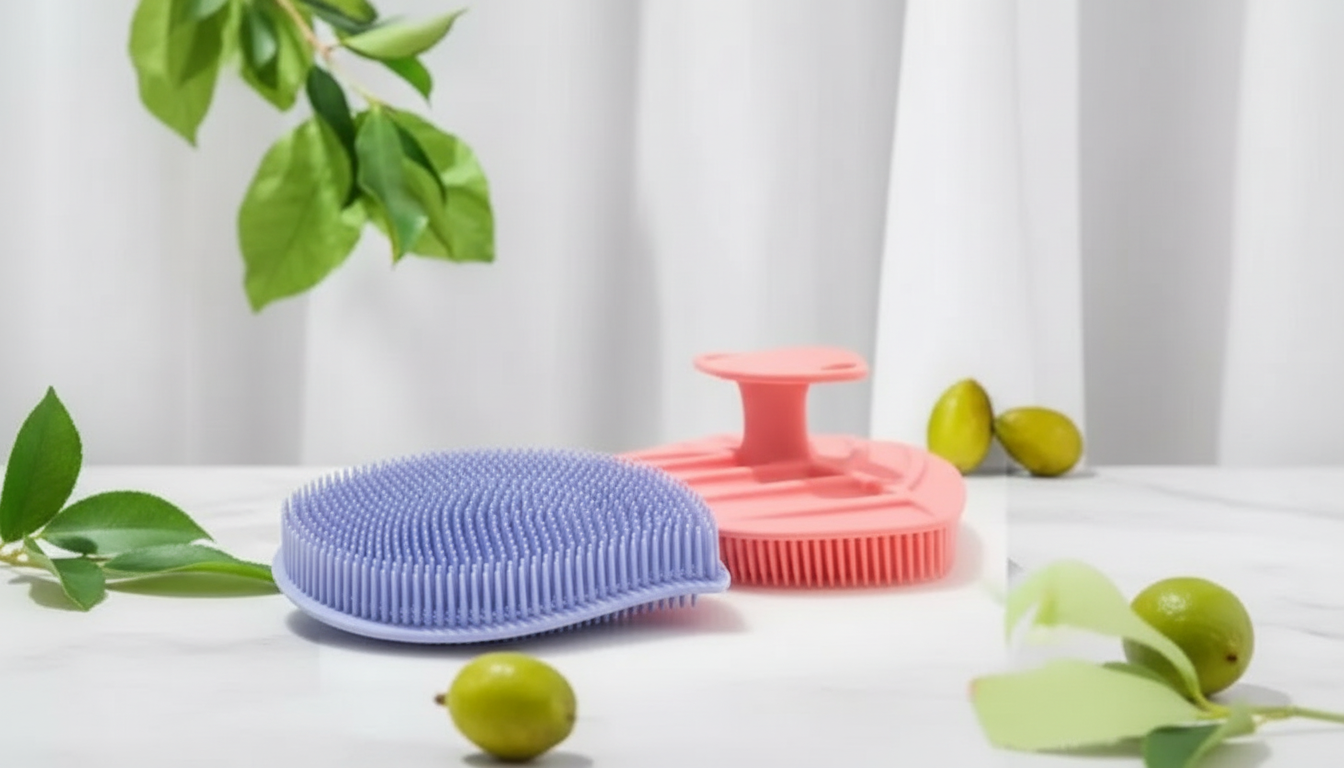
Are silicone scrubbers good for your scalp?
Silicone scalp scrubbers can be good for your scalp when they’re used gently and on the right schedule. Their soft, flexible bristles help lift oil, product buildup, and loose flakes while you shampoo, and they can give a light massage that makes cleansing feel more thorough. Many people like them because silicone is nonporous and easy to rinse clean, which helps reduce that “gunky tool” problem that can happen with some brushes.
The biggest benefit is improved shampoo distribution. Instead of piling cleanser onto one spot, a scrubber can work lather across the scalp more evenly, which may help you use less product while still getting a clean feel at the roots. Used with light pressure, it can also encourage gentle exfoliation—enough to remove dead skin without the harshness of gritty scrubs.
When a silicone scrubber may not be a good fit
Over-scrubbing can irritate the scalp, especially if you have eczema, psoriasis, open sores, or active inflammation. Pressing too hard or using long, aggressive motions can lead to redness, tenderness, and increased flaking (irritation can look like “more dandruff”). If your scalp is already sensitive, stick to short sessions, minimal pressure, and fewer days per week.
How to use one safely
Use the pads of the bristles to make small circles or short back-and-forth motions, focusing on the scalp—not the hair lengths. Let the scrubber glide; don’t “dig in.” Rinse it thoroughly after each use and let it dry in the open to keep residue from building up. If you notice stinging, increased itch, or breakouts along the hairline, pause use and reassess your routine.
For a deeper look at benefits, downsides, and best practices, visit https://elegalle.com/are-silicone-scrubbers-good-for-your-scalp/.
FAQ
How often should you use a scalp scrubber?
Most people do well with 1–3 times per week, adjusting based on oiliness and sensitivity. If your scalp gets irritated easily, start once weekly and increase only if it stays calm.













Leave a comment