Muslin Blankets for Swaddling: Pros, Cons & Safety
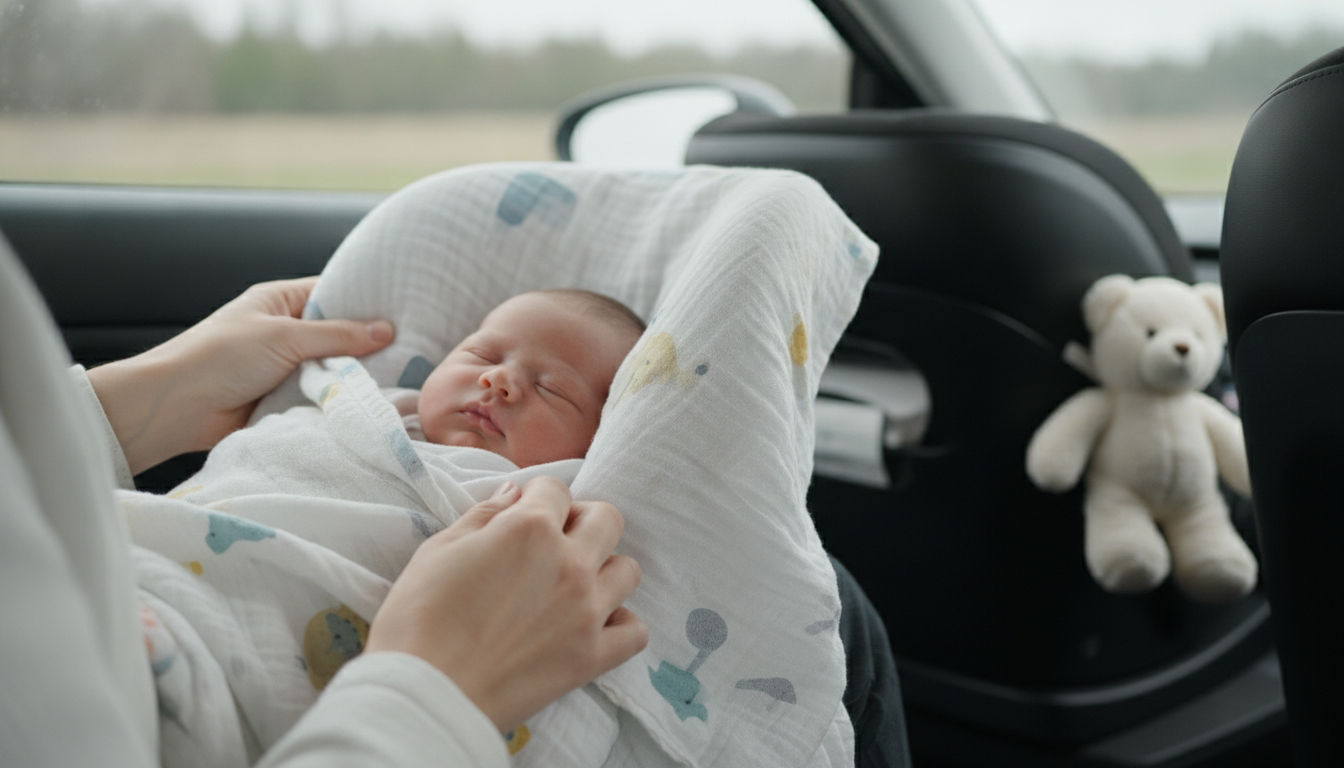
Are muslin blankets good for swaddling?
Yes—muslin blankets are widely considered a great choice for swaddling because they’re lightweight, breathable, and easy to wrap. The loose, open weave helps air circulate, which can reduce the chance of overheating compared with heavier fabrics. Muslin also tends to get softer with each wash, making it comfortable against sensitive newborn skin.
What makes muslin work well for swaddling?
Swaddling depends on getting a snug (but not restrictive) wrap that still allows safe movement and temperature regulation. Muslin’s thin, flexible feel makes it easier to fold tightly around the torso while keeping bulk to a minimum. That can be especially helpful if a baby runs warm or if swaddling happens in a heated room.
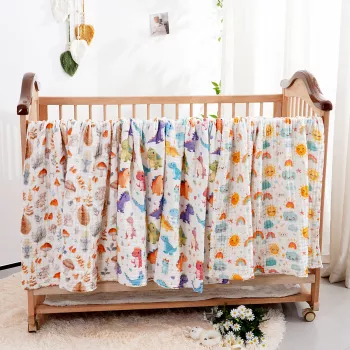
Another perk: muslin blankets are often generously sized, so there’s enough material for a secure wrap even as baby grows. They also dry quickly after washing—handy when you’re rotating through frequent laundry cycles.
When might muslin not be the best option?
Muslin can be too light for some situations. In cooler environments, it may not provide enough warmth on its own, so room temperature and sleepwear matter. Also, very loosely woven muslin can stretch and shift more than structured swaddles, so caregivers may need a bit of practice to keep the wrap secure.
How to swaddle safely with a muslin blanket
Use a large, square muslin blanket and aim for a snug wrap around the chest while leaving room for the hips and knees to move. Keep the fabric away from the baby’s face, and always place baby on their back to sleep. Stop swaddling once there are signs of rolling, since rolling while swaddled increases risk.
Want a deeper swaddling breakdown?
For fabric comparisons, sizing notes, and practical wrapping tips, read the full guide here: https://elegalle.com/are-muslin-blankets-good-for-swaddling/.
FAQ
How many muslin blankets do you need for a newborn?
Many families find 4–8 muslin blankets practical for rotating between swaddling, burp cloth duty, stroller shade, and wash cycles. If you’re swaddling nightly, having a few extras helps cover spit-ups and middle-of-the-night changes.










Leave a comment