18K Gold-Plated Stainless Studs for Sensitive Ears?
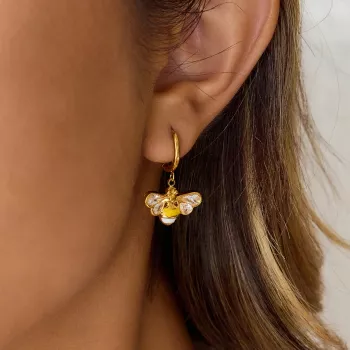
Are 18K gold plated stainless steel stud earrings hypoallergenic for sensitive ears?
Often, yes—but it depends on what your ears react to and how the earrings are made. Stainless steel is commonly well tolerated, especially when it’s high quality (often marketed as surgical-grade). When it’s coated with 18K gold plating, the gold layer creates an additional barrier between your skin and the base metal, which can help reduce irritation for many people with sensitive ears.
Why some “gold plated stainless steel” earrings still irritate
The most common culprit is nickel sensitivity. Some stainless steel alloys can contain trace nickel, and if the plating is thin, worn down, or scratched, your skin may come into contact with the underlying metal—especially on posts and backs, where friction is highest. Moisture from sweat, showering, or swimming can also speed up wear and expose reactive metals sooner.
What to look for if you have very sensitive ears
If your skin is easily reactive, prioritize studs labeled nickel-free and choose pieces with thicker or higher-quality plating (sometimes described as “PVD coated” or “vacuum plated” in product details). Pay attention to the earring post and backing materials; these areas are most likely to cause redness or itching. Also, avoid sleeping and showering in plated earrings to help the coating last longer and reduce irritation.
When to choose another metal instead
If you’ve had confirmed reactions to nickel or frequent flare-ups from fashion jewelry, consider implant-grade titanium, solid 14K/18K gold, or niobium for the most consistent comfort. Gold-plated stainless steel can be a good middle ground for many sensitive ears, but it isn’t a guaranteed hypoallergenic solution for everyone.
For a deeper breakdown of materials, plating durability, and what “hypoallergenic” can mean in real-world wear, visit the full guide here: https://elegalle.com/are-k-plated-stainless-steel-stud-earrings-hypoallergenic-for-sensitive-ears/.
FAQ
What is the best metal for earrings if you have a nickel allergy?
Implant-grade titanium is one of the safest options for nickel allergy. Solid gold (not plated) and niobium are also typically well tolerated, depending on the exact alloy and your sensitivity level.












Leave a comment