Real Pearl Cost: Price Ranges & What Drives Value
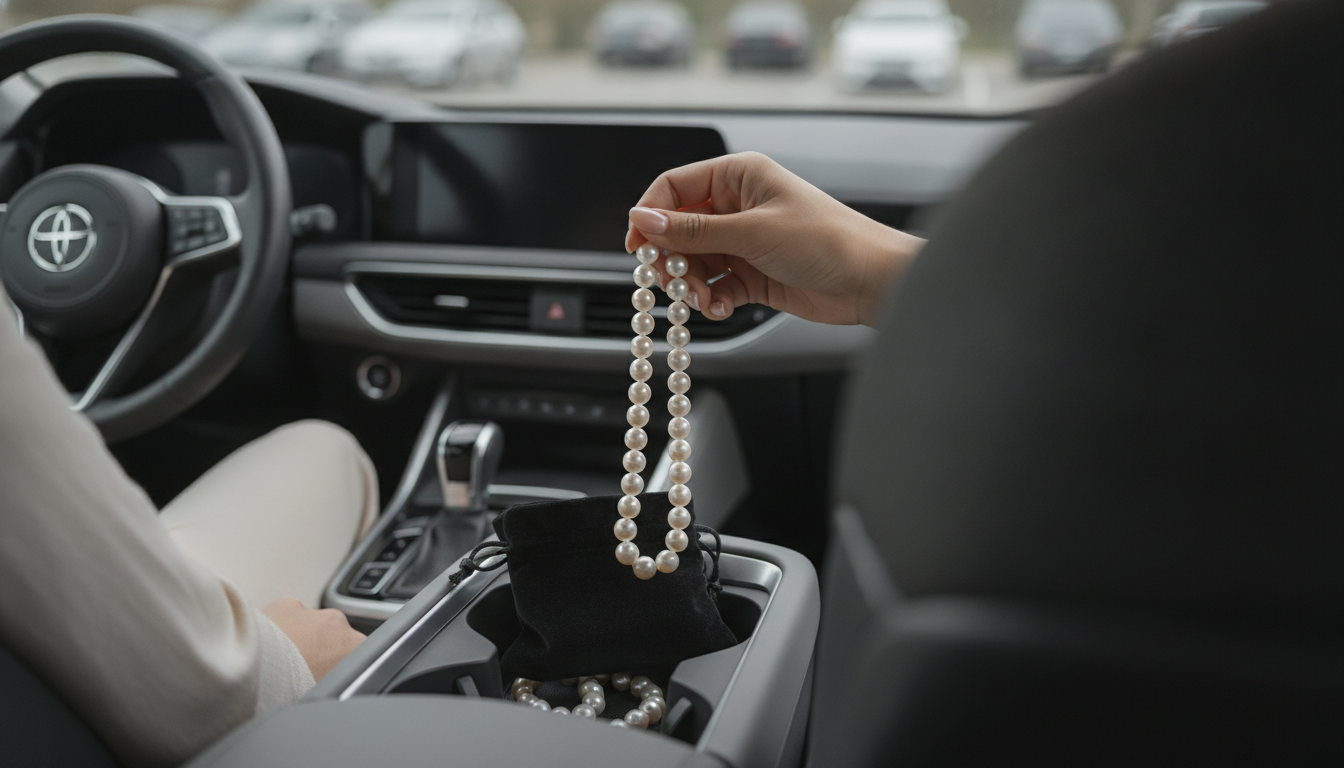
What is the actual cost of real pearls?
The actual cost of real pearls can range from under $100 to well over $100,000, depending on the pearl type, size, shape, luster, surface quality, matching, and whether the pearls are natural or cultured. “Real pearls” simply means they formed inside a mollusk (not plastic or glass), but pricing varies dramatically within that category.
At the lower end, freshwater cultured pearl studs or simple pendants are often the most accessible because freshwater pearls are produced in higher volumes and can be grown in larger quantities per mollusk. Mid-range pricing is common for well-matched freshwater strands and many Akoya pieces, where roundness, bright luster, and clean surfaces drive cost. At the top end, South Sea and Tahitian pearls can command premium prices due to larger typical sizes, thicker nacre, and more limited supply, with exceptional specimens and expertly matched strands rising quickly in value.
What factors change the price the most?
Size and luster tend to move the needle fastest. A jump of even 1–2 mm in diameter can significantly raise price, especially in Akoya and South Sea pearls. Strong, mirror-like luster generally indicates higher quality nacre and gives pearls that crisp “glow” people pay for.
Surface cleanliness, symmetry (round vs. off-round/baroque), color rarity, and how closely pearls match across a strand also matter. Finally, the setting and metal choice (solid gold vs. sterling silver), clasp quality, and brand or craftsmanship can add a meaningful premium.
How to estimate a fair range before buying
Look for a product listing that states pearl type, size in millimeters, and at least a basic grade description for luster and blemishes. If a “too good to be true” price is attached to very large, perfectly round pearls, it’s worth confirming whether they’re imitation, heavily treated, or misrepresented.
For a deeper breakdown of real-world pricing by pearl type and quality signals, visit https://elegalle.com/what-is-the-actual-cost-of-real-pearls/.
FAQ
Are freshwater pearls real pearls?
Yes. Freshwater pearls are real pearls formed inside mollusks, and most on the market are cultured (grown with human assistance) rather than natural.











Leave a comment