Pendants for Men or Women? Fit, Style & How to Wear

Are pendants for men or women?
Pendants are for both men and women. A pendant is simply an ornament that hangs from a chain, cord, or necklace, and it can be styled to fit any gender expression, wardrobe, or occasion. What usually changes isn’t who can wear a pendant, but how it’s designed and worn.
What makes a pendant feel “men’s” or “women’s”?
Most of the “men’s vs. women’s” distinction comes down to design choices. Men’s pendants often lean toward larger proportions, bolder silhouettes, darker metals, and simpler details. Women’s pendants more commonly feature finer chains, smaller profiles, brighter stones, and more delicate motifs. Those are trends, not rules—plenty of people mix them for a look that feels personal.
How to choose a pendant that suits your style
Start with scale and comfort. If you prefer subtle jewelry, choose a smaller pendant and a thinner chain; if you like statement pieces, go bigger or pick a distinctive shape. Next, match the metal to what you already wear (gold, silver, stainless steel, or mixed metals). Finally, consider meaning: initials, symbols, gemstones, religious icons, or minimalist bars can all communicate something different without needing to follow a gender label.
How men and women typically wear pendants
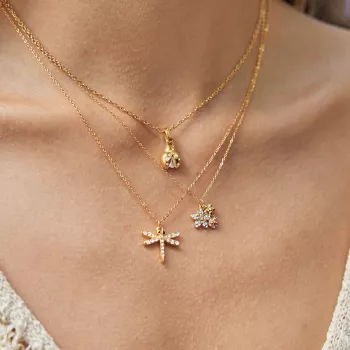
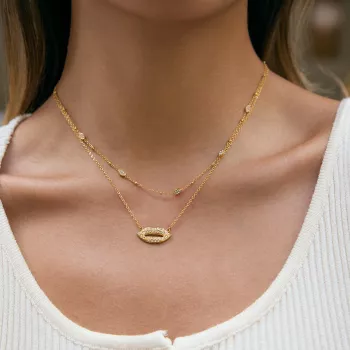
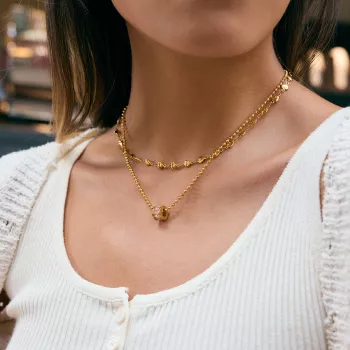
Pendants can be worn short at the collarbone for a clean, classic look, or longer over a tee or sweater for a more relaxed vibe. Layering is also common: a simple pendant can sit under a second chain, or be paired with other necklaces to add depth. The best styling choice is the one that complements your outfit and feels natural throughout the day.
For more details and styling guidance, visit the full resource here: https://elegalle.com/are-pendants-for-men-or-women/.
FAQ
What’s the difference between a pendant and a necklace?
A necklace is the chain or cord worn around the neck, while a pendant is the charm or piece that hangs from it. A necklace can be worn with or without a pendant.









Leave a comment