Muslin Blankets for Newborns: Benefits, Safety & Tips
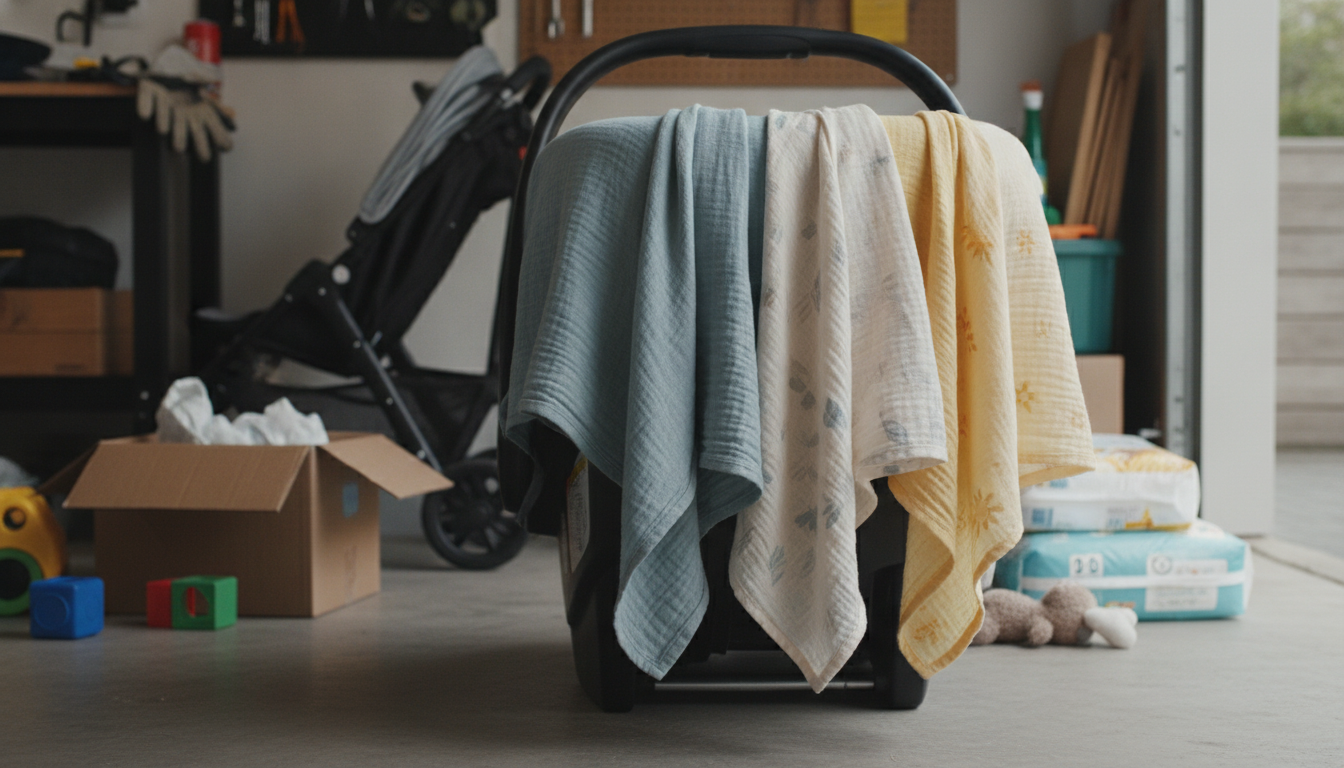
Are muslin blankets good for newborns?
Yes—muslin blankets are often a great choice for newborns because they’re lightweight, breathable, and gentle on sensitive skin. The loose weave helps promote airflow, which can reduce the chance of overheating during naps, stroller rides, or contact cuddles. Many parents also like that muslin typically gets softer after washing while still holding up well to frequent use.
What makes muslin a newborn-friendly fabric?
Newborns have trouble regulating body temperature, so fabric choice matters. Muslin’s breathability can feel more comfortable than heavier materials, especially in warm rooms or during summer months. It’s also generally soft and non-irritating, which is helpful for delicate newborn skin that can react to rough textures or excess heat.
How can you use muslin blankets safely with a newborn?
Muslin blankets are versatile—ideal for swaddling (when done correctly), as a light stroller cover, a burp cloth in a pinch, or a changing pad barrier. For sleep, follow safe-sleep guidance: keep the sleep space free of loose blankets. If swaddling, ensure the wrap isn’t too tight around the hips and discontinue swaddling as soon as baby shows signs of rolling.
What should you look for when buying muslin blankets?
Choose blankets labeled for baby use and check the fiber content—100% cotton muslin is a common pick. Look for smooth stitching, no scratchy tags, and a size that matches how you plan to use it (larger for swaddling, smaller for on-the-go). Washing before first use can help remove any manufacturing residue and boost softness.
For a deeper look at benefits, common uses, and safety considerations, visit the main guide on muslin blankets for newborns.
For Muslin Blankets for Newborns: Benefits, Safety & Tips, the best answer depends on fit, material, care instructions, and how the product will be used day to day.
FAQ
Can newborns sleep with a muslin blanket?
Loose blankets aren’t recommended in a crib or bassinet for newborn sleep. Use a wearable blanket or sleep sack instead, and reserve muslin blankets for supervised use like swaddling (when appropriate), feeding, or stroller time.











Leave a comment