4-in-1 Budgeting Toolkit for Monthly Clarity & Savings
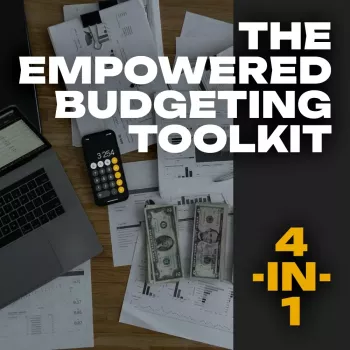
The Empowered Budgeting Toolkit: A 4-in-1 Bundle for Monthly Expense Clarity, Savings Momentum, and Wealth-Building Habits
A budgeting system works best when planning, tracking, reflection, and mindset are connected. This toolkit-style approach combines a month-to-month budget planner, an Excel guide for flexible tracking, practical savings and wealth strategies, and guided affirmations designed to reinforce consistent money habits. The goal is simple: make it easier to see where money is going, decide what matters most, and build repeatable routines that support long-term financial stability.
What’s Included in the 4-in-1 Toolkit
The power of a bundle is that each tool solves a different “failure point” that can derail budgeting. Planning helps you choose priorities before spending happens; tracking shows what actually happened; strategy turns goals into actions; and mindset support helps you stay consistent when motivation dips.
- Budget planning component: set monthly targets for income, bills, variable spending, savings, and debt paydown.
- Expense tracking component: capture day-to-day spending with categories that reveal patterns over time.
- Savings and wealth strategies: actionable prompts to prioritize an emergency fund, reduce high-friction spending, and increase savings rate.
- Guided affirmations for wealth: short, repeatable statements intended to support follow-through and reduce avoidance around money decisions.
- Designed as a bundle: each part supports the others so planning and tracking don’t drift apart.
Toolkit Components and How They Help
| Component | Primary use | Best for | Outcome to look for |
|---|---|---|---|
| Monthly budget planner | Plan income and allocations before the month starts | People who want structure and a clear plan | Fewer surprise expenses and clearer priorities |
| Excel budgeting guide | Track spending and compare planned vs. actual | People who prefer flexible spreadsheets and customization | Better category accuracy and faster adjustments |
| Savings + wealth strategies | Choose tactics for building reserves and investing habits | People who want a roadmap beyond cutting expenses | Consistent saving, reduced money stress, long-term growth |
| Guided affirmations for wealth | Reinforce identity-based habits and consistency | People who struggle with motivation or avoidance | More follow-through and calmer decision-making |
Who This Toolkit Fits Best
- Beginners who need a step-by-step monthly system instead of scattered tips.
- Anyone with variable expenses who wants to spot patterns (food delivery, subscriptions, impulse purchases, seasonal bills).
- People rebuilding savings after setbacks and looking for a simple monthly reset routine.
- Goal-driven planners aiming to fund sinking funds (car repairs, travel, gifts) without relying on credit.
- Individuals who want mindset support alongside numbers—especially when budgeting triggers anxiety or avoidance.
How to Use the Bundle as a Monthly Workflow
A smooth routine beats an intense one. The ideal cadence is quick planning at the start, light tracking during the month, and a short closeout that turns results into next month’s upgrades.
- Step 1: Set your baseline numbers—net income, fixed bills, minimum debt payments, and essential costs.
- Step 2: Assign spending limits to variable categories (groceries, dining, transportation, personal, home, kids, health).
- Step 3: Add savings targets (emergency fund, sinking funds, investing) and choose one priority goal for the month.
- Step 4: Track actual spending consistently in Excel; schedule 2–3 quick check-ins per week to prevent end-of-month surprises.
- Step 5: Compare plan vs. actual; revise category limits mid-month when needed instead of abandoning the plan.
- Step 6: Close the month with a short review: what worked, what didn’t, and one change to test next month.
- Step 7: Use guided affirmations during planning or reviews to reduce negative self-talk and keep momentum after mistakes.
Monthly Expense Tracking That Actually Sticks
Tracking fails when it feels like homework. The goal is “accurate enough to make decisions,” not perfect bookkeeping. A few design choices make the habit easier to maintain.
- Keep categories simple enough to use daily; too many categories usually leads to skipped tracking.
- Separate fixed, variable, and irregular expenses so patterns stay clear (and “random” costs stop ambushing the plan).
- Track transactions in batches (daily or every other day) to reduce friction and improve accuracy.
- Use a miscellaneous buffer intentionally, then re-categorize later to learn what it really represents.
- Review your top three categories by spend each month; small tweaks there typically outperform extreme cutbacks.
For foundational budgeting guidance and consumer-friendly examples, resources from the Consumer Financial Protection Bureau (CFPB) can be a helpful reference point.
Savings and Wealth Strategies You Can Pair With a Budget Plan
A budget becomes more motivating when it’s tied to specific outcomes: breathing room, reduced stress, and future options. Strategy prompts help you choose a few high-impact moves instead of trying to optimize everything at once.
If you want structured education modules to reinforce money fundamentals over time, the FDIC Money Smart program is another reputable resource.
Guided Affirmations for Wealth: Making the Numbers Easier to Maintain
How to Choose a Budgeting Toolkit That Matches Your Style
Common Mistakes and Quick Fixes
FAQ
Is a spreadsheet budget better than an app for monthly expense tracking?
Spreadsheets are flexible, customizable, and transparent because you can see exactly how categories and totals are calculated. Apps can be great for automation, but the best choice is the one you’ll use consistently; a guided Excel approach can also reduce setup friction.
How much should be saved each month if income is tight?
Start with a small, steady amount you can repeat—often 1–5% of income or a modest fixed dollar target. Build a starter emergency buffer first, then increase the amount after essentials stabilize or a recurring expense is reduced.
Do affirmations actually help with budgeting and wealth habits?
They aren’t a substitute for a plan, but they can reduce avoidance and support follow-through by reinforcing identity-based habits. They work best when paired with a specific action like logging expenses or reviewing one category.













Leave a comment