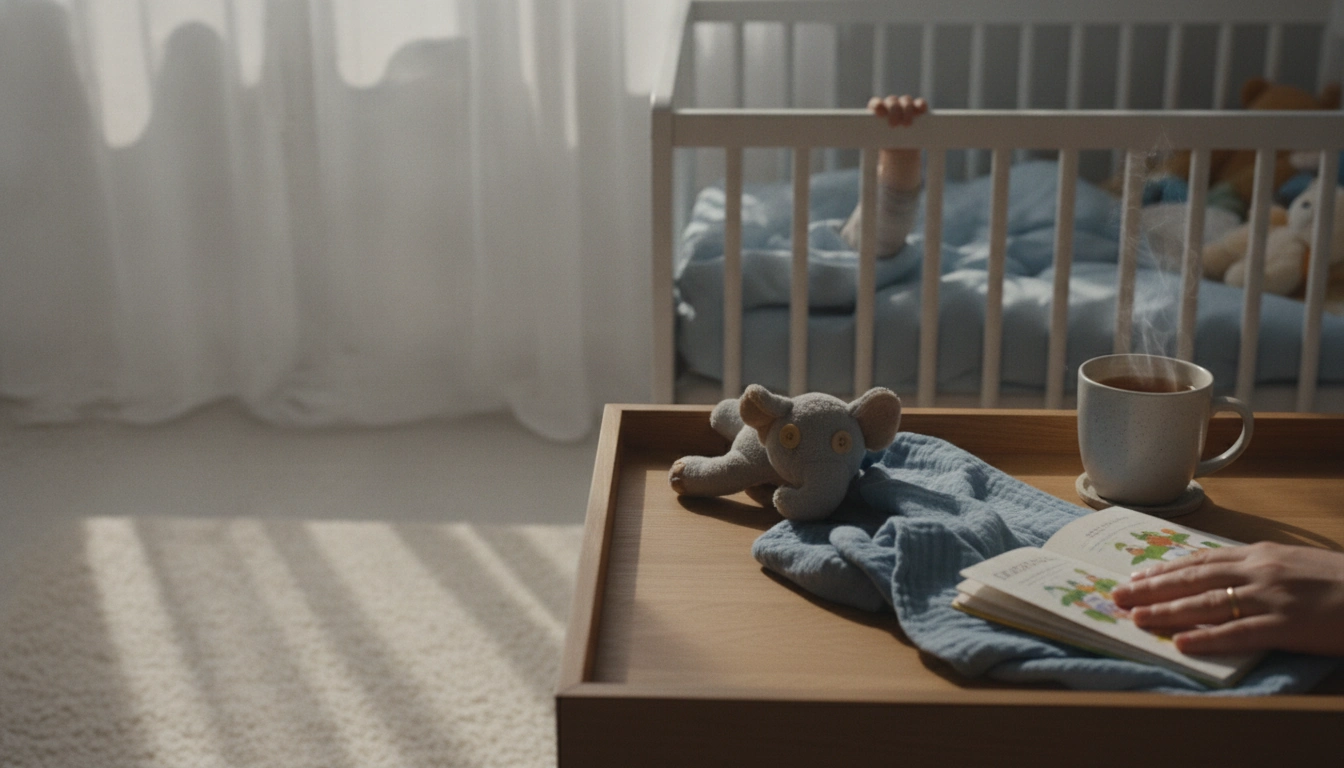
Toddler nightmares and bad dreams can look similar at first, but the timing, your child’s level of alertness, and how quickly they settle usually tell the story. Both can be upsetting, yet the right response depends on what’s actually happening.
A nightmare is a frightening dream that typically happens in the second half of the night, when dreaming is more vivid. A “bad dream” is often used as a general term, but in practice it usually refers to a less intense upsetting dream that still wakes your child fully. The key feature of nightmares is that your toddler is awake, aware, and can often be comforted.
If your toddler wakes up crying, calls for you, seems scared of something specific, and can recognize you, it’s most likely a nightmare. They may describe a “monster,” a loud noise, or a scary character (even if the details are fuzzy). Comfort, a quick cuddle, and a calm reset—water sip, favorite lovey, dim light—usually help them settle back down.
If your toddler appears “awake” but is actually confused, inconsolable, or staring through you, and they don’t respond normally to comfort, it may be a night terror rather than a nightmare. Night terrors tend to occur earlier in the night and the child often has no memory of the episode the next day. In that moment, keeping them safe and waiting it out is usually more effective than trying to fully wake them.
For nightmares or bad dreams, stay calm, offer brief reassurance, and keep the room quiet and boring so sleep can return. If scary dreams are frequent, look for triggers like overstimulation before bed, scary media, overtiredness, or big routine changes.
For a deeper breakdown and more practical tips, visit the full guide here.
Start with a consistent bedtime routine, limit scary or stimulating screens, and aim for enough daytime sleep and an earlier bedtime if overtiredness is common. If wake-ups are frequent for weeks or come with snoring, breathing pauses, or extreme daytime fatigue, check in with your pediatrician.






Leave a comment