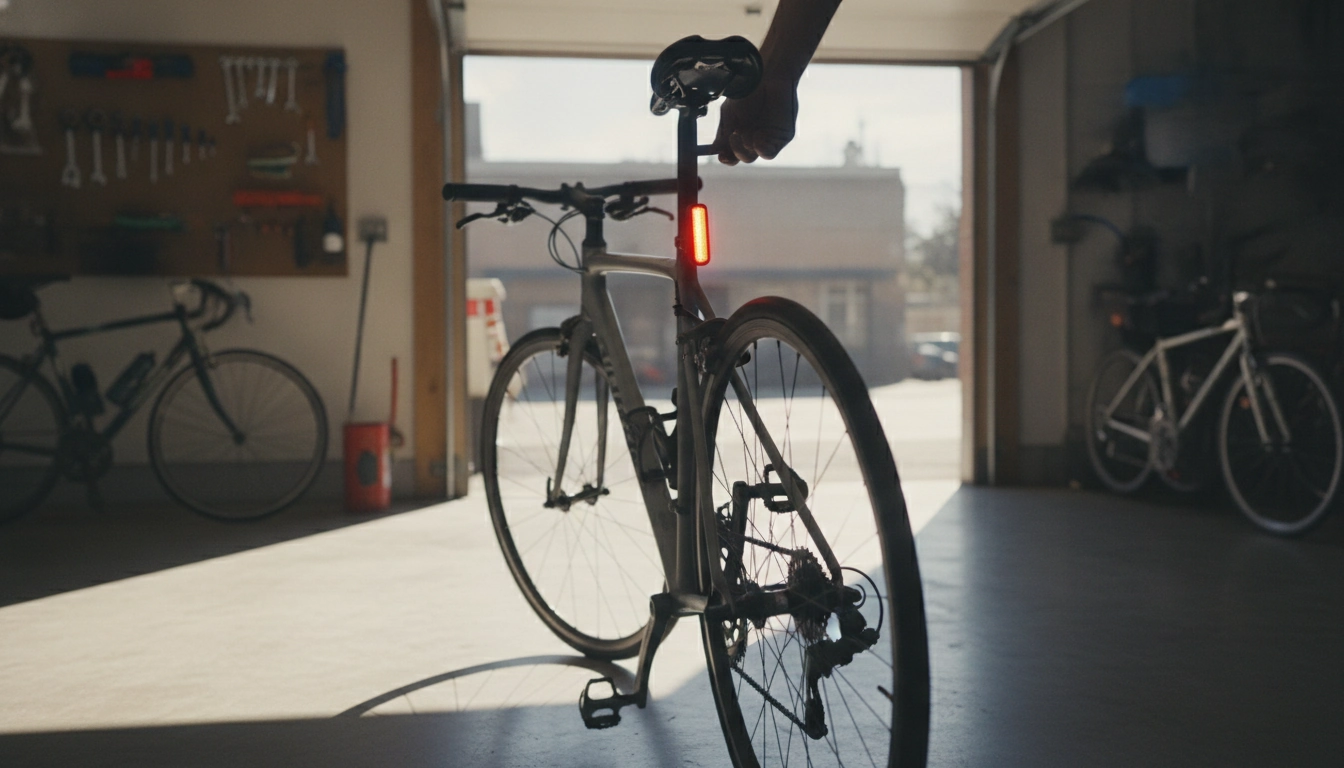
For daytime riding, a high-visibility bike taillight should generally be in the 50–200 lumens range, with 100+ lumens being a strong target for busy roads, higher speeds, and bright sun. Lower-output lights can work in shade or overcast conditions, but they’re more likely to get lost in visual clutter during peak daylight.
In daylight, a taillight isn’t “lighting the road”—it’s competing with sunlight, reflections, and the visual noise of traffic. More lumens can make the light punch through that background so drivers notice you sooner, especially when you’re riding near intersections, in stop-and-go traffic, or on multi-lane roads.
50–100 lumens: Good for daytime commuting in mixed conditions (trees, buildings, intermittent shade) and for riders who want visibility without draining the battery too fast.
100–200+ lumens: Better for full sun, open roads, and higher-speed riding where you want extra attention from farther back.
Look for a taillight with a wide viewing angle and a daytime flash pattern designed to stand out. A focused, narrow beam may look bright from directly behind but disappear off-axis when cars approach from a slight angle. Battery capacity matters too: a light that’s “bright enough” for only 45 minutes won’t help on longer rides.
For more guidance on picking a daytime-visible rear light (including patterns, placement, and run-time considerations), see the full guide here: https://elegalle.com/what-brightness-lumens-should-a-high-visibility-bike-taillight-have-for-daytime-riding/
For Best Bike Taillight Lumens for Daytime Visibility, the best answer depends on fit, material, care instructions, and how the product will be used day to day.
Often, yes—daytime-specific flash patterns can draw attention faster than a steady beam in bright conditions. Use a pattern that’s conspicuous without being so erratic that it’s hard for drivers to judge distance.




Leave a comment