Microwaving Retro Ceramic Teacups: What’s Safe?
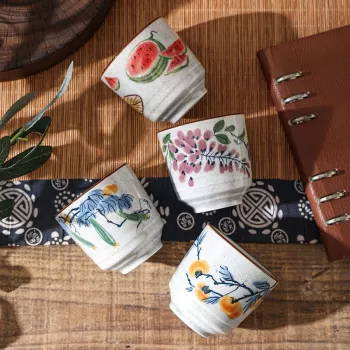
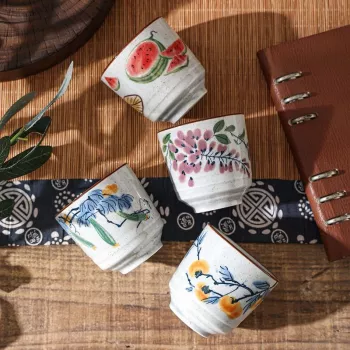
Are retro ceramic teacups microwave-safe?
Sometimes, but not always. “Retro” ceramic teacups can range from modern reproductions made with microwave-safe glazes to true vintage pieces that may contain metallic accents, older glaze formulas, or hidden hairline cracks that don’t handle microwave heat well. The safest approach is to check for a “microwave-safe” marking on the base and to evaluate the cup’s decoration and condition before heating anything inside.
How to tell if a retro ceramic teacup can go in the microwave
Start with the bottom of the cup: manufacturer stamps or icons often indicate microwave suitability. Next, look closely at the design. Any gold or silver trim, metallic paint, or luster finishes can spark or overheat in the microwave, even if the cup is otherwise sturdy. Also check for crazing (fine crackle lines in the glaze) and chips—these weak points can worsen with rapid heating and cooling.
A quick at-home heat test (use caution)
If there’s no clear marking and the cup has no metallic decoration, you can do a simple test. Fill the teacup with room-temperature water and microwave for 30 seconds. If the cup becomes very hot while the water stays lukewarm, the ceramic is absorbing too much microwave energy and isn’t a good candidate for regular microwave use.
Best practices if you do microwave a ceramic teacup
Use short bursts (10–20 seconds) and stir between intervals to avoid superheating. Avoid sudden temperature changes, like adding boiling water to a cool cup or rinsing a hot cup in cold water. When in doubt—especially with sentimental or collectible pieces—use a kettle to heat water separately and pour it into the cup.
For a deeper guide on markings, materials, and what to avoid, visit https://elegalle.com/are-retro-ceramic-teacups-microwave-safe/.
FAQ
Can vintage ceramic teacups go in the dishwasher?
Many vintage cups are better hand-washed. Delicate glazes, decals, and any gilt trim can fade or wear faster in a dishwasher, and older cups may be more prone to chipping from rattling.











Leave a comment