Dishwasher-Safe Retro Ceramic Teacups? Avoid Fading
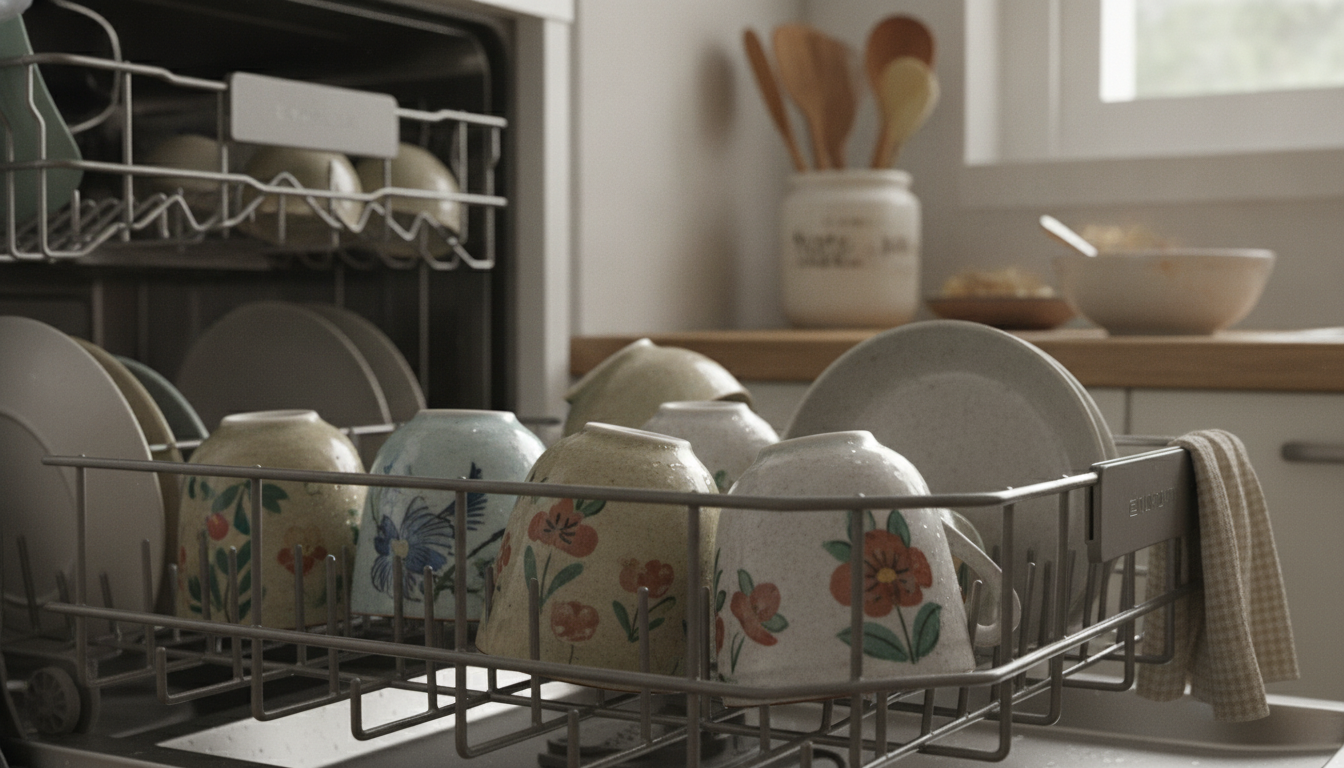
Can retro ceramic teacups go in the dishwasher without fading the design?
Sometimes, but it depends on how the design was applied and the condition of the glaze. Many retro teacups have either underglaze decoration (sealed under a clear glaze) or overglaze decals/paint (applied on top and fired lightly). Underglaze designs generally hold up better in a dishwasher, while overglaze decals are more likely to dull, fade, or develop tiny edge lifting over time from hot water, strong detergent, and repeated abrasion.
What makes a design fade in the dishwasher?
Dishwashers combine three things that can age vintage-style finishes quickly: high heat, alkaline detergents, and extended water exposure. Heated drying cycles and “sanitize” settings are especially tough on metallic accents, luster details, and raised or textured prints. Even if a cup looks fine after a few washes, gradual clouding or loss of color saturation can appear after many cycles.
How to dishwash retro teacups more safely
If you choose to use the dishwasher, place teacups securely on the top rack, away from other items that could bump them. Select a gentle or glassware cycle, skip sanitize, and turn off heated dry. Use a mild detergent (avoid heavy-duty, citrus, or bleaching boosters), and remove cups soon after the cycle ends so moisture doesn’t sit on decals. If the cup has gold trim, iridescent accents, visible decal edges, or a slightly raised pattern, hand-washing with a soft sponge is the safer long-term option.
Quick at-home checks before washing
Look closely for crazing (fine crackle lines), worn rim areas, or any peeling along the design—these are signs the decoration may be vulnerable. You can also rub a fingertip lightly over the pattern; if it feels raised, it’s more likely to be overglaze and less dishwasher-friendly. When in doubt, treat it like a display-quality piece and wash by hand.
For deeper guidance on spotting design types and choosing the safest cleaning method, visit the full article here.
FAQ
How can I tell if a teacup has an overglaze decal?
Run a finger lightly over the design—if it feels slightly raised or you can see a thin “edge” to the artwork, it’s often an overglaze decal. These are more prone to dulling or lifting with frequent dishwasher use.











Leave a comment