Cardio Before or After Lifting for Fat Loss?
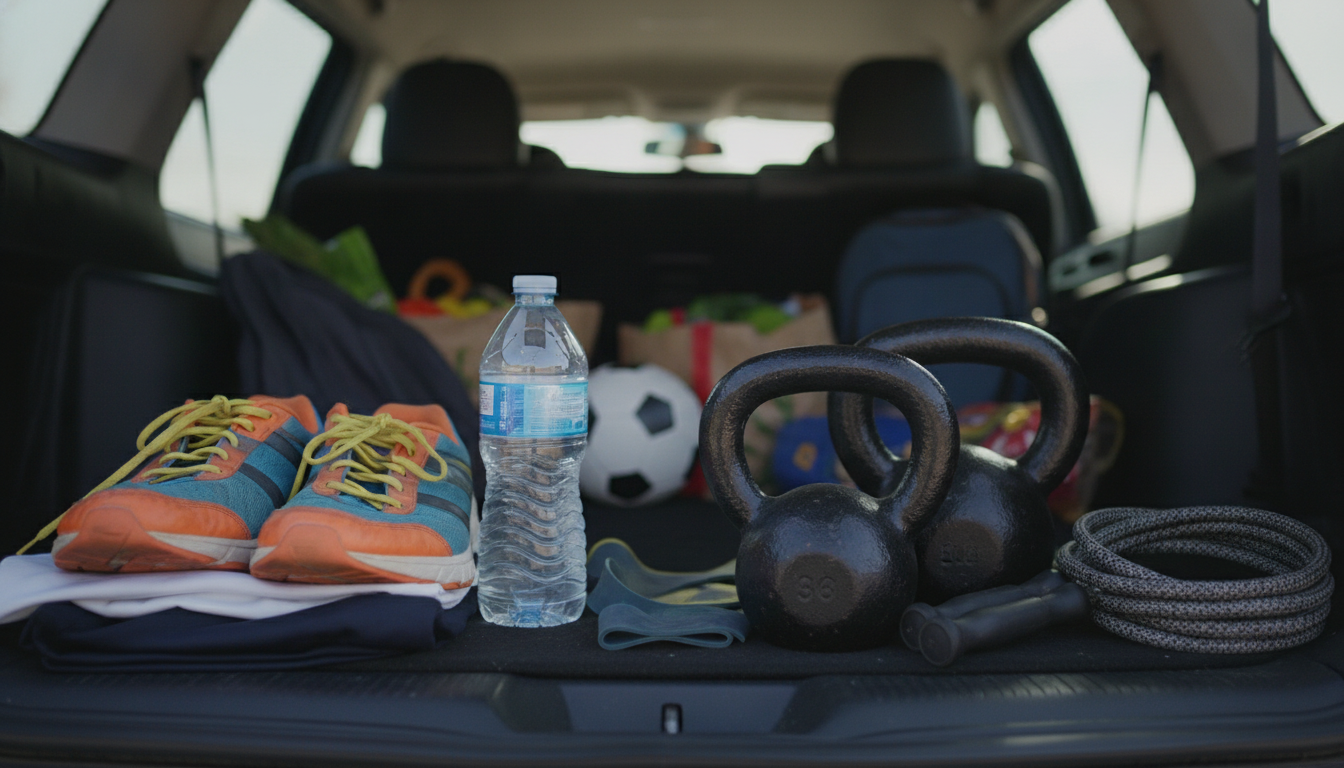
Should you do cardio before or after strength training for fat loss?
Answer
For most people focused on fat loss, it’s best to do strength training first and cardio second. Lifting when you’re fresh helps you move more weight with better form, recruit more muscle, and maintain training intensity—key factors for keeping (or building) lean mass while you’re in a calorie deficit. Preserving muscle also supports your metabolic rate over time.
Doing cardio first can fatigue the legs, grip, and core, which often reduces the quality of your strength session. That can mean fewer effective reps, lighter loads, and less overall stimulus—especially on compound lifts like squats, deadlifts, rows, and presses.
The sweet spot for many routines is a short, easy warm-up (5–10 minutes of brisk walking, cycling, or rowing) before lifting, followed by your primary strength work, then finishing with cardio. Post-lift cardio can be tailored to your recovery: steady, moderate-intensity cardio is easier to recover from than frequent all-out intervals.
There are a few times cardio first makes sense: if your main goal is improving endurance performance (like training for a race), if you’re doing a cardio-only day, or if a brief cardio “primer” improves your mobility and joint readiness. Even then, keep it low intensity so it doesn’t steal energy from lifting.
If you want a sustainable weekly approach that balances results and recovery, follow the practical combinations and anti-burnout tips here: https://elegalle.com/guide-combine-cardio-and-strength-without-burning-out/.
For Cardio Before or After Lifting for Fat Loss?, the best answer depends on fit, material, care instructions, and how the product will be used day to day.
FAQ
How many days a week should you combine cardio and strength training?
A solid starting point is 2–4 strength sessions plus 2–3 cardio sessions per week, adjusting based on recovery and schedule. If you do both on the same day, keep at least one easier day to avoid accumulating fatigue.














Leave a comment