MTB Tire PSI Guide: Best Pressures for Trail & XC
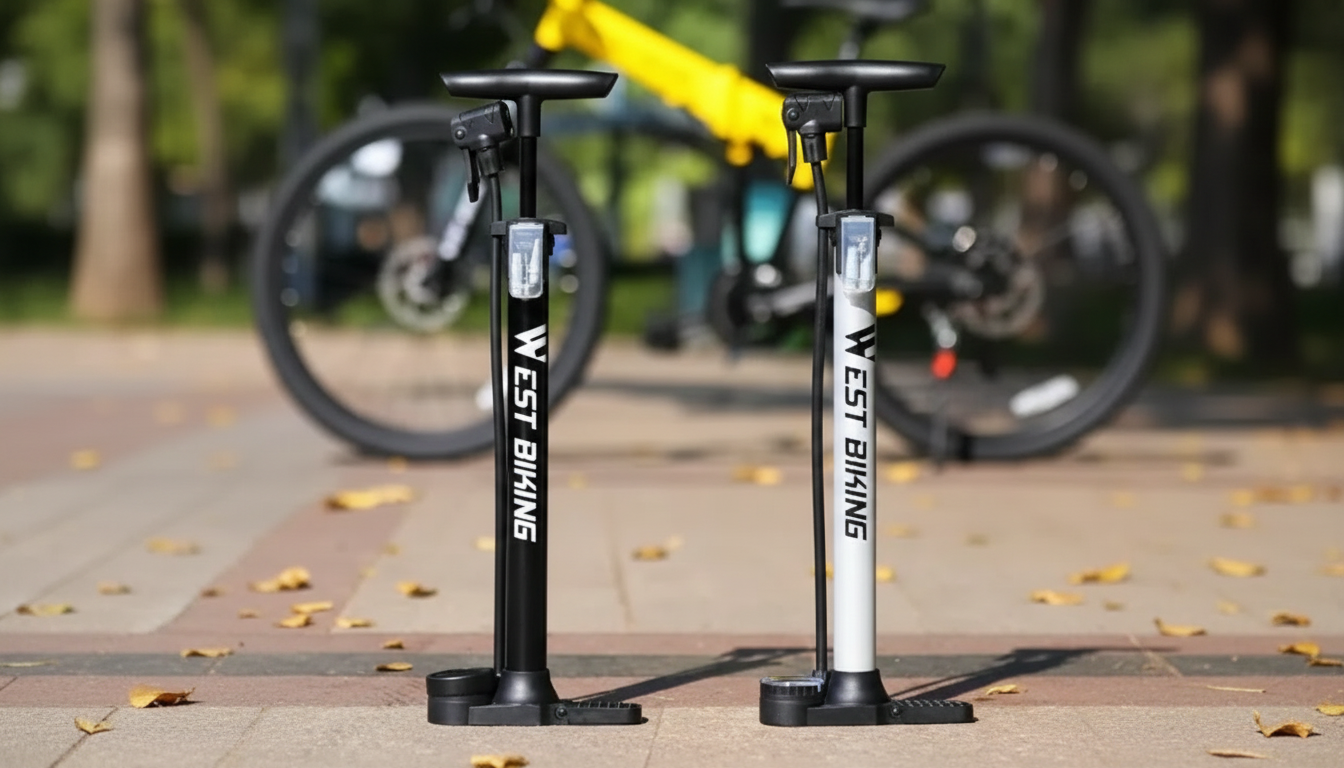
What psi should MTB bike tires be?
Most mountain bike tires run best in a fairly wide range because rider weight, terrain, tire width, and whether you’re using tubes or tubeless all change the “right” number. As a practical starting point, many riders land around 18–26 psi for tubeless setups and about 22–30 psi with tubes. Lighter riders and rougher trails usually like the lower end for grip and comfort, while heavier riders and smoother or faster terrain often need more pressure for support and efficiency.
Good starting PSI ranges (quick guide)
Cross-country / hardpack: roughly 22–28 psi (tubeless) or 26–32 psi (tubes). Trail / mixed conditions: roughly 19–26 psi (tubeless) or 23–30 psi (tubes). Enduro / rocky or rooty: roughly 18–24 psi (tubeless) or 22–28 psi (tubes). Wider tires (2.4–2.6) typically work well with a few psi less than narrower ones (2.1–2.3).
How to fine-tune your pressure
Start with a baseline, then adjust in small steps (1–2 psi). If the front tire washes out, feels harsh, or chatters over small bumps, drop a little pressure. If you feel rim strikes, excessive squirm in corners, or the tire “burps” air tubeless, add a little pressure. Many riders also run the rear 2–4 psi higher than the front because it carries more load and takes more impacts.
Safety and limits
Always check the tire sidewall for the manufacturer’s minimum/maximum pressure and stay within it. When in doubt, err slightly higher for rim protection and stability, then work downward until traction improves without frequent bottom-outs.
For more detailed recommendations by tire size, rider weight, terrain type, and setup, see the full guide: https://elegalle.com/what-psi-should-mtb-bike-tires-be/.
FAQ
How do I check MTB tire pressure accurately?
Use a dedicated low-pressure bike gauge (or a shock pump with a precise gauge) and measure when the tires are cool. For the most consistent results, press the gauge firmly, read once, and re-check after making adjustments.











Leave a comment