LED Lights on a Bike: Types, Mounting, and Laws
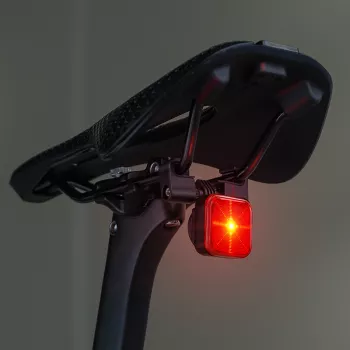
Can I put LED lights on my bike?
Yes—adding LED lights to a bike is a smart, common upgrade for visibility and style. LED bike lights are lightweight, energy-efficient, and available for nearly every mounting point, including handlebars, seatposts, wheels, frames, helmets, and even spokes. Whether you ride at night, commute at dawn, or want to be more noticeable in traffic, LEDs can make a meaningful difference.
What kinds of LED lights work on a bike?
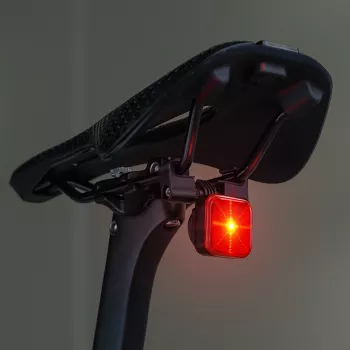
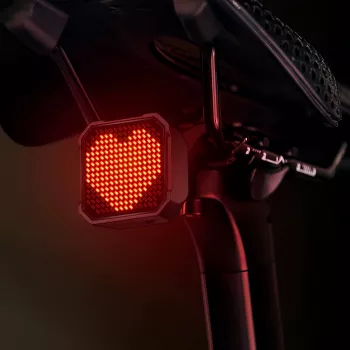
The most popular options are a white front headlight and a red rear light, usually sold as a set. You can also add side-visibility lighting like wheel LEDs, spoke lights, or frame strips. For everyday riding, prioritize a front light bright enough to help you see the road and a rear light that’s easy for drivers to spot, especially in flashing modes.
How do you mount LED lights on a bike?
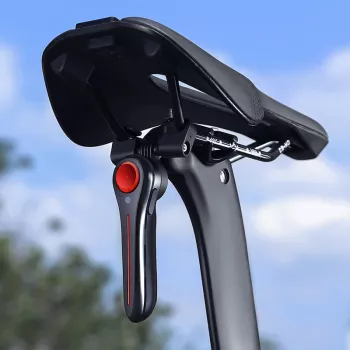
Most LED bike lights attach with silicone straps, quick-release brackets, or adhesive mounts. Straps are the easiest for beginners and are great for swapping between bikes. If you’re using LED strips, choose a clean, dry mounting surface and route wires (if any) away from moving parts like the chain, cranks, brakes, and wheels.
Are LED lights on bikes legal?
In many places, bike laws require a white light facing forward and a red light or reflector facing rearward when riding after dark. Extra decorative LEDs are often allowed, but certain colors (like blue) or overly bright, distracting patterns may be restricted depending on local rules. It’s safest to keep your main front light white and your rear light red, and avoid lighting that could be confused with emergency vehicles.
Tips for choosing LED bike lights
Look for USB-rechargeable batteries, weather resistance, multiple brightness modes, and easy removal for charging. If you ride on unlit roads, pick a higher-lumen headlight; for city commuting, strong “be seen” lighting and a wide-angle rear light are key. For a deeper breakdown of types, placement, and practical setup, visit the main guide on LED lights for bikes.
FAQ
Do LED bike lights need to be rechargeable?
No. Many run on disposable batteries, but rechargeable USB lights are usually cheaper to operate and easier for frequent riders.











Leave a comment