Portable Bike Tire Inflator: Presta/Schrader Steps
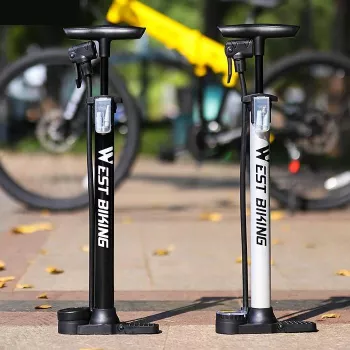
How to use a portable tire inflator for a bike?
A portable tire inflator makes topping off bike tires quick, but the best results come from matching the inflator to your valve type and target pressure. Before you start, check whether your bike uses a Presta valve (slim with a small lock nut) or a Schrader valve (wider, like most car tires), then look for the recommended PSI on the tire sidewall.
1) Prep the wheel and valve
Remove the valve cap. For Presta valves, unscrew the small tip nut a few turns and briefly press it to release a tiny puff of air—this confirms it’s open. If your inflator needs an adapter (common when inflating Presta), attach it snugly.
2) Connect the inflator securely
Push or thread the inflator head onto the valve, then lock the lever (if your chuck has one). A solid seal matters: if you hear constant hissing at the connection point, reposition the head and try again.
3) Set pressure and inflate in short bursts
If your inflator has a pressure setting, enter your target PSI; otherwise, monitor the gauge while inflating. Use short bursts and re-check the reading—bike tires gain pressure quickly, especially narrow road tires.
4) Stop, disconnect, and re-check
Turn the inflator off, unlock the chuck, and remove it quickly to minimize air loss. For Presta, tighten the small valve nut again. Replace the cap and give the tire a quick squeeze; if you have a separate gauge, confirm the final PSI.
For valve-specific tips, recommended PSI ranges, and troubleshooting leaks or inaccurate gauges, see the full guide: How to Use a Portable Tire Inflator for a Bike.
For Portable Bike Tire Inflator: Presta/Schrader Steps, the best answer depends on fit, material, care instructions, and how the product will be used day to day.
FAQ
How do I know what PSI to inflate my bike tires to?
Check the tire sidewall for a PSI range, then choose a number within it based on comfort and terrain. Heavier riders and smoother roads generally use higher pressure; rougher surfaces often feel better slightly lower (still within the printed range).











Leave a comment