Coffee Mugs Worth Money: Vintage Brands & Value Clues
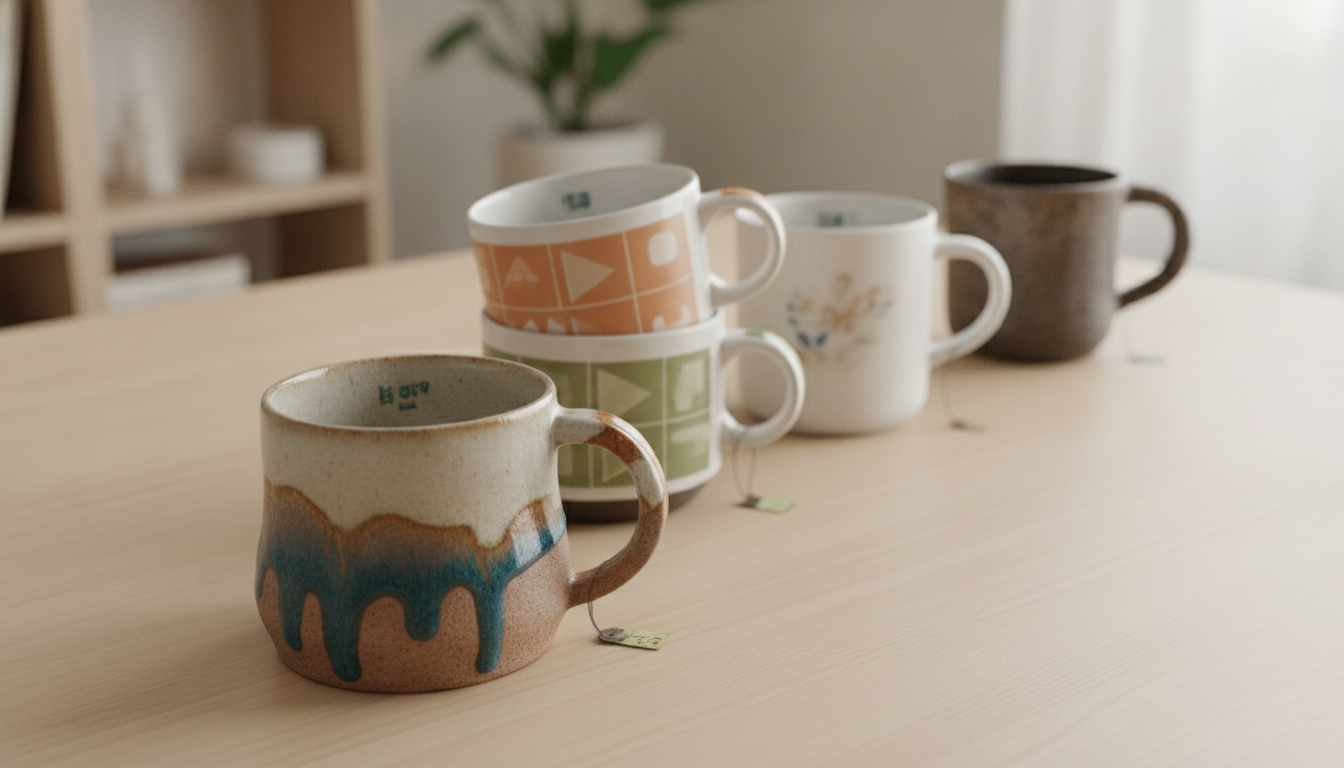
What coffee mugs are worth money?
Coffee mugs can be worth real money when they’re tied to a desirable maker, a limited production run, or a collectible theme—and when condition and authenticity check out. While most everyday mugs sell for a few dollars, certain vintage and specialty pieces can command much higher prices from collectors.
Makers and brands collectors actively seek
Brand recognition is a major driver of value. Vintage diner ware, mid-century studio pottery, and well-known giftware lines tend to hold interest because collectors can date them, identify patterns, and build sets. Look for maker’s marks on the bottom, country of origin, and model or pattern codes—those details make a mug easier to verify and sell.
Limited editions, discontinued lines, and short runs
Mugs released for a specific event, anniversary, or limited-time promotion often outperform common retail designs. Discontinued patterns also rise in value when people try to replace broken pieces or complete matching sets. Numbered pieces, certificates, and original packaging can add a premium if they’re genuine and in good shape.
Age, rarity, and cultural “moment” appeal
Older doesn’t automatically mean valuable, but older mugs that are hard to find in clean condition can be. Pop-culture ties—like early character merchandise, regional souvenirs from closed attractions, or hard-to-find corporate and restaurant mugs—can also attract bidders, especially when the design is recognizable and scarce.
Condition matters more than most people expect
Chips on the rim, hairline cracks, staining, crazing, and faded graphics can significantly reduce resale value. The highest prices typically go to mugs with crisp printing, intact glaze, and no repairs. If a mug is fragile or rare, safe shipping and careful packing also affect what buyers will pay.
For examples, value clues, and brand-specific pointers, see the full guide here: https://elegalle.com/what-coffee-mugs-are-worth-money/.
FAQ
How can I tell if my mug is vintage or just old?
Check the bottom for maker’s marks, country of origin, and any date codes, then compare the logo style to known production periods. Vintage pieces usually have identifiable markings or documented patterns that match a specific era.










Leave a comment