Best Winter Swaddle Material: Cotton, Bamboo, Fleece
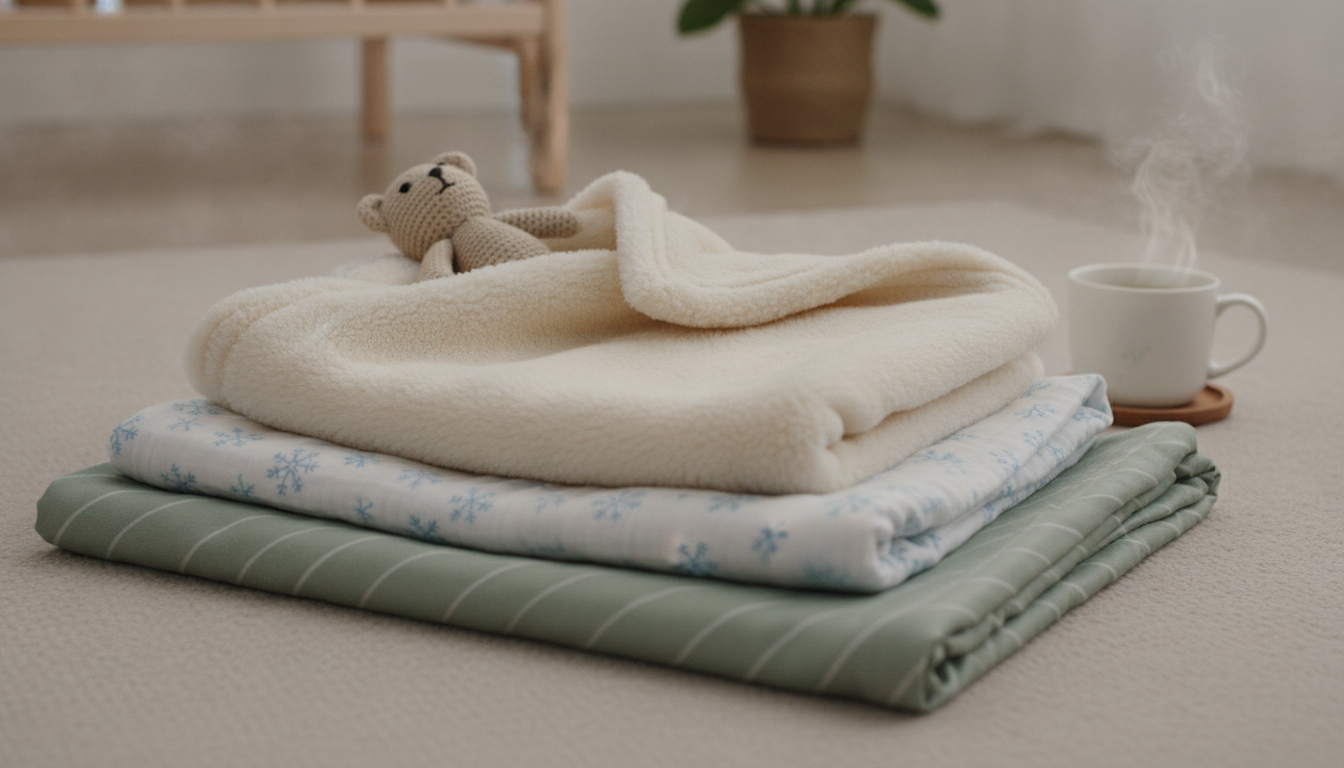
What is the best material for a winter swaddle?
The best material for a winter swaddle is one that keeps baby comfortably warm without trapping too much heat. For many families, breathable cotton (especially heavier cotton) is the most reliable all-around choice because it balances warmth, airflow, and easy care. When temperatures dip further, layered approaches and slightly warmer fabrics can help—while still prioritizing breathability and safe sleep.
Top winter swaddle materials (and when they work best)
Heavier cotton (interlock or brushed cotton) is a strong pick for winter because it’s soft, durable, and less likely to overheat than synthetics. It also holds up well to frequent washing, which matters for everyday swaddling.
Bamboo-derived viscose blends feel silky and can regulate temperature well, making them comfortable in heated homes where a baby could otherwise get too warm. Look for a fabric that isn’t overly thin if you’re relying on it for winter warmth.
Fleece can be cozy in very cold rooms, but it’s less breathable and can increase the risk of overheating. If you choose fleece, keep layers minimal and monitor baby’s temperature (warm chest, not sweaty neck).
Wool or merino offers excellent insulation while still breathing, but it can be harder to wash and may irritate sensitive skin unless it’s very soft and well-finished. Many parents prefer wool as a wearable layer over a breathable base rather than as the swaddle itself.
How to choose the “best” option for your home
Start with the nursery temperature, your baby’s sensitivity to heat, and how many layers you plan to use. As a quick comfort check, baby’s chest should feel warm, and the back of the neck should be dry—not sweaty. If you’re unsure, a breathable cotton swaddle paired with the right sleepwear is often the safest, simplest winter setup.
For more detailed guidance on fabric pros and cons, see the full resource here: https://elegalle.com/what-is-the-best-material-for-a-winter-swaddle/.
FAQ
How do I know if my baby is too hot in a swaddle?
Check the back of the neck and chest: they should feel warm and dry. Sweating, damp hair, flushed skin, or rapid breathing can signal overheating, and layers should be reduced.











Leave a comment