Bike Tire PSI Guide: Find the Right Pressure Fast
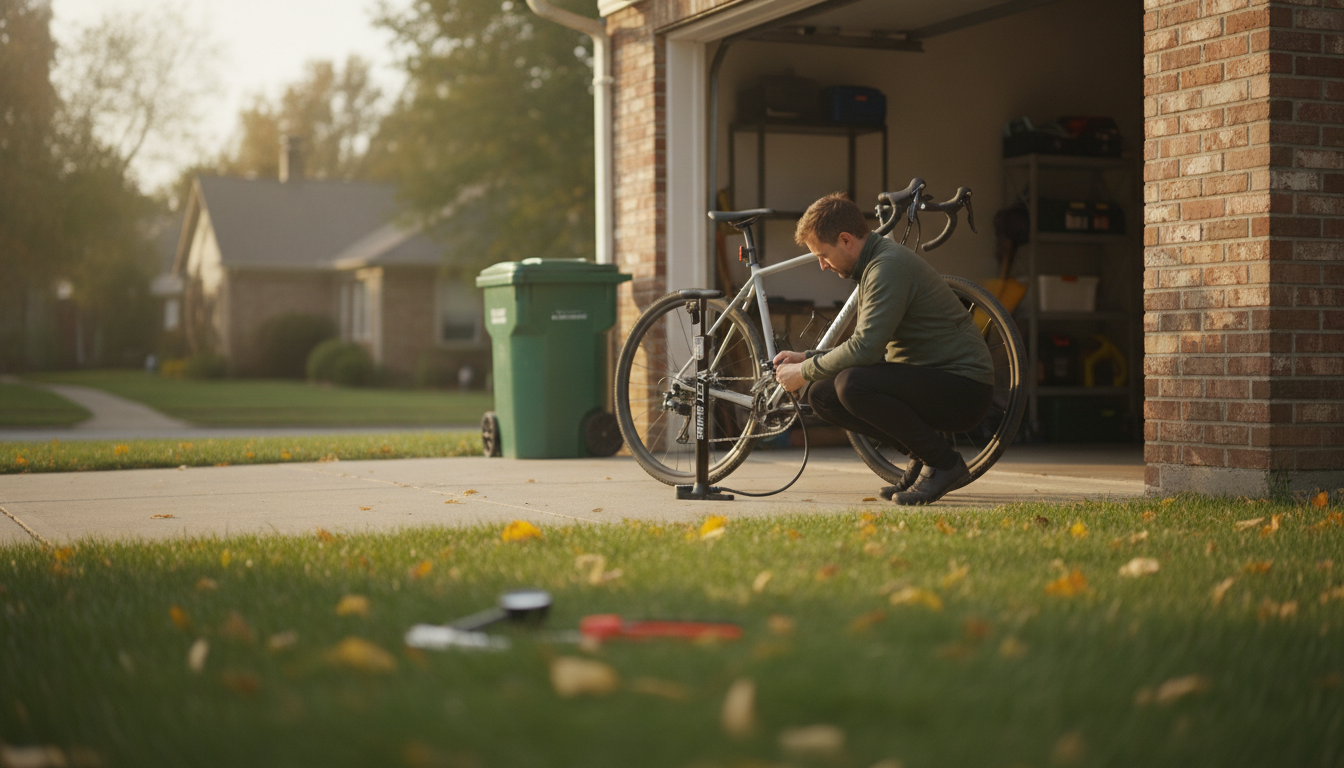
What is the correct PSI for a bike?
The correct PSI (tire pressure) for a bike depends on your tire type, tire width, rider weight, and the surface you ride on. The fastest way to find a safe range is to check the tire sidewall, which lists a minimum and maximum PSI (or bar). Stay within that printed range, then fine-tune for comfort, traction, and rolling efficiency.
Quick PSI ranges by bike type
These ballpark ranges help you get close, but the sidewall range always comes first:
- Road bikes (narrow tires): often around 70–110 PSI.
- Gravel/Cyclocross: commonly 35–70 PSI, depending heavily on width and terrain.
- Mountain bikes: typically 18–35 PSI; lower for more grip, higher to reduce rim strikes.
- Hybrid/commuter: frequently 40–70 PSI for a blend of speed and comfort.
How to choose your “right” PSI
Start near the middle of the tire’s printed range, then adjust in small steps (2–5 PSI at a time):
- Heavier riders and loaded bikes generally need more PSI to prevent pinch flats and squirm.
- Wider tires usually run lower PSI than narrow tires while still supporting the same load.
- Rough roads, gravel, and trails often feel better with slightly lower PSI for traction and control.
- Smooth pavement and racing may benefit from slightly higher PSI for crisp handling, as long as it doesn’t increase vibration and fatigue.
Signs your pressure is off
If the ride feels harsh and bouncy, traction is poor, or the tire skips over bumps, PSI may be too high. If the tire feels sluggish, corners feel “wobbly,” or you’re getting pinch flats/rim hits, PSI may be too low.
For a deeper breakdown by bike style, tire width, and real-world riding conditions, see the full guide here: https://elegalle.com/what-is-the-correct-psi-for-a-bike/.
FAQ
Should I inflate my bike tires to the maximum PSI on the sidewall?
Not usually. The max PSI is the upper safety limit, but many riders get better comfort and control a bit below max, especially on wider tires or rough surfaces.












Leave a comment