Dupray Steam Cleaner: Distilled Water or Tap Water?
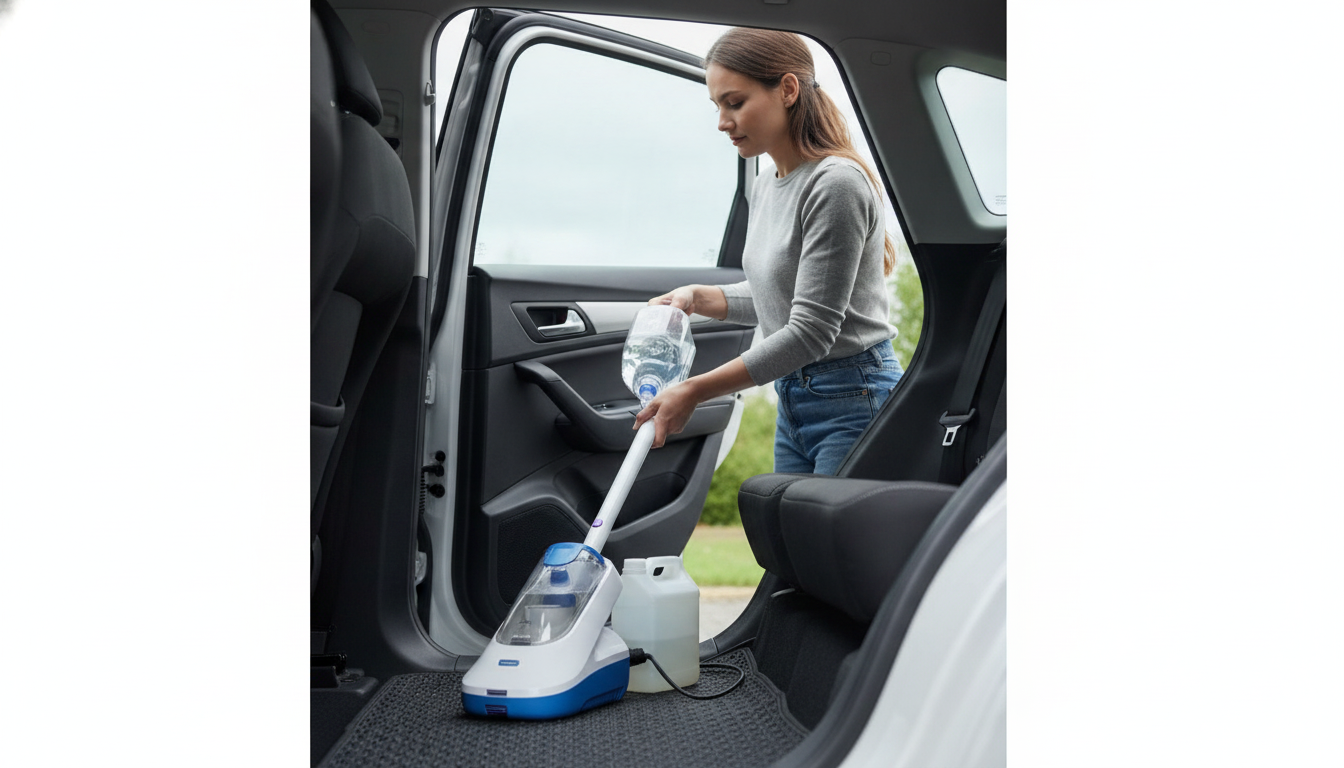
Do I need to use distilled water in my Dupray steam cleaner?
In most cases, distilled water is not strictly required for a Dupray steam cleaner, but it can be a smart choice—especially if your tap water is hard (high in minerals). Dupray models are generally designed to work with regular tap water, yet mineral content can still leave scale inside the boiler over time. Using distilled water helps reduce mineral buildup, which can support steadier steam output and potentially extend the life of internal components.
If you live in an area with soft water, many owners use tap water without issues as long as they keep up with basic maintenance. If you notice white residue, sputtering, or reduced steam performance, switching to distilled water (or a low-mineral alternative) can help prevent the problem from getting worse.
When distilled water makes the most sense
Distilled water is a good idea if you:
- Have hard water (common signs: mineral spots on faucets, cloudy glassware, frequent limescale in kettles).
- Use your steamer often (weekly or daily cleaning).
- Want to minimize descaling and internal buildup over the long term.
What happens if you only use tap water?
Tap water can be perfectly fine, but mineral deposits may accumulate inside the unit’s boiler and pathways. Over time, that buildup can affect heating efficiency and steam consistency, and it may require descaling more frequently. The cleaner itself may still work well for a long while—maintenance needs simply tend to rise with harder water and heavier use.
Best practice for day-to-day use
Choose the water type based on your local water hardness and how much you use the machine. If you’re unsure, starting with distilled water is an easy, low-risk way to reduce scale from day one. For model-specific guidance and maintenance tips, visit the main article on Dupray steam cleaner water recommendations.
FAQ
How often should I descale a Dupray steam cleaner?
Descaling frequency depends on water hardness and usage. With hard water and frequent steaming, plan to descale more often; with distilled or soft water, you may rarely need it.












Leave a comment